Choosing the right personal protective equipment (PPE) is essential for safety in various industries. According to John Smith, an expert in Health and Safety Personal Protective Equipment, “Quality PPE can save lives and prevent injuries.” His assertion emphasizes the importance of selecting appropriate gear for specific tasks.
When it comes to PPE, understanding your environment is crucial. For example, workers in construction face different hazards than those in healthcare. Each industry has unique risks that demand tailored protective solutions. Ignoring these specifics can lead to dangerous situations.
Selecting PPE is not just about compliance; it’s about fostering a safety culture. Employers and employees must collaborate in this process. Choosing the wrong equipment can have serious consequences. This highlights the need for training and continuous evaluation. Every decision counts when it comes to health and safety.
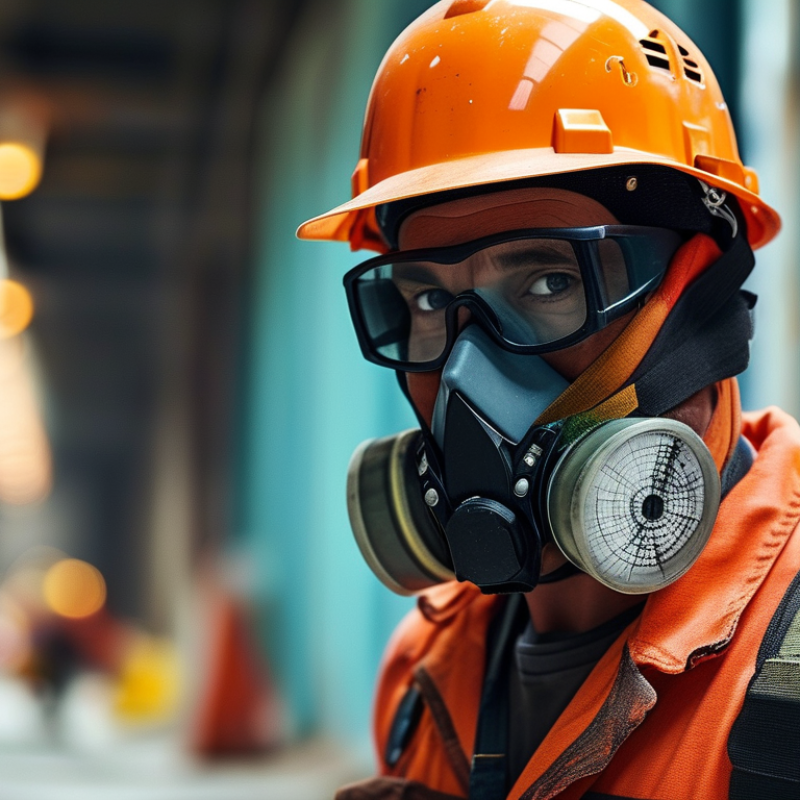
Understanding the Importance of Personal Protective Equipment (PPE)
Personal Protective Equipment (PPE) plays a crucial role in ensuring safety in various environments. Understanding its importance can significantly reduce the risk of injury or harm. PPE safeguards workers from hazards like chemicals, falling objects, and noise. An informed choice of PPE enhances both safety and productivity.
Choosing the appropriate PPE requires careful consideration. It is essential to assess the specific risks associated with a task. For instance, handling chemicals necessitates gloves and goggles designed for chemical resistance. In construction, hard hats and steel-toed boots are vital. Ensure the equipment fits well; ill-fitting gear may hinder movement or protection.
Consider these tips when selecting PPE. Always prioritize comfort to encourage regular use. Look for materials that are durable yet lightweight. Seek guidance from safety experts when unsure about the right gear. Regularly review and update PPE standards to match evolving workplace hazards. Remember, the right protective equipment can save lives, making it an indispensable part of any safety strategy.
Identifying Different Types of Personal Protective Equipment
Choosing the right personal protective equipment (PPE) is crucial for ensuring safety in various environments. Identifying different types of PPE can help you make informed choices. Common types include helmets, gloves, goggles, and respirators. Each type serves a specific purpose and protects against different hazards.
When selecting PPE, consider the risks present in your environment. For example, if you're working with chemicals, opt for gloves designed to resist those specific substances. If you're in a noisy area, earmuffs or earplugs should be considered. Workplaces can have hidden dangers that may require additional protection. Never overlook those subtle threats.
Evaluating fit and comfort is essential, too. PPE that doesn’t fit properly can hinder movement. It may even lead to accidents. Training on how to use PPE is equally important. Ensure that everyone knows how to wear their equipment correctly. Regular inspections of equipment can help maintain safety standards.
Remember that PPE is only part of safety. Awareness and proper training are vital. Reflect on the type of environment you are in. Evaluate whether your current gear truly provides the protection needed.
How to Choose the Right Personal Protective Equipment for Safety? - Identifying Different Types of Personal Protective Equipment
| Type of PPE |
Description |
Common Use Cases |
Key Features |
| Safety Helmets |
Protects the head from injury due to falling objects or collisions. |
Construction sites, industrial work, and mining. |
Impact-resistant shell, adjustable straps, ventilation. |
| Safety Goggles |
Protects the eyes from chemicals, dust, and flying particles. |
Laboratories, woodworking, and construction. |
Anti-fog, impact-resistant, side shields. |
| Ear Protection |
Reduces exposure to loud noises that can damage hearing. |
Manufacturing, construction, and music production. |
Noise reduction rating, comfortable fit, reusable/wearable options. |
| Respirators |
Filters out harmful substances from the air. |
Painting, construction, and healthcare. |
Particulate filters, gas masks, adjustable straps. |
| Gloves |
Protects hands from chemicals, cuts, and cold. |
Laboratories, food handling, and construction. |
Chemical resistance, cut resistance, comfort fit. |
| Foot Protection |
Protects feet from heavy objects, slips, and punctures. |
Construction, warehouse, and manufacturing. |
Steel toe, slip-resistant soles, waterproof materials. |
Assessing Workplace Hazards for Appropriate PPE Selection
Assessing workplace hazards is crucial for selecting appropriate personal protective equipment (PPE). Start by identifying the risks present in your environment. This can include chemical exposure, physical injuries, or electrical hazards. Each type of risk requires specific PPE. For instance, chemical spills might necessitate gloves and goggles, while construction sites often require hard hats and steel-toed boots.
Next, evaluate the work processes that contribute to these hazards. A noisy environment may need hearing protection, while tasks involving sharp objects might require cut-resistant gloves. It’s essential to involve employees in this assessment. They can provide insights based on their experiences. However, be aware that not every employee may feel comfortable voicing their concerns.
Documentation and evaluation play a significant role. Regularly review hazard assessments and update PPE as needed. This practice can help you identify gaps in safety measures. Sometimes, the equipment chosen may not fit well or may not be used correctly, leading to potential injuries. It's vital to ensure continuous training and retraining on the proper use of PPE. Workers should not be left to figure things out on their own.
Guidelines for Proper Fit and Comfort in PPE
Choosing the right personal protective equipment (PPE) is crucial for safety. One key aspect to consider is the fit and comfort of the equipment. Ill-fitting PPE can lead to distractions or even accidents. Comfort plays a significant role in ensuring that workers can perform their tasks effectively.
Choosing the right size is essential. Measure the relevant body parts accurately before purchasing any PPE. Use this information to select gear that suits your measurements. A snug fit is beneficial, but it should not impede movement. Watch out for any tight areas that could cause chafing. If the equipment feels awkward, it may not be the right choice.
Materials also matter. Choose breathable fabrics to help regulate temperature during use. If the PPE doesn’t allow air circulation, it may lead to discomfort over time. Remember, you might need to try different styles to find what feels best. It’s okay to reflect on choices and adapt if something doesn’t work well. Your safety and comfort should always come first.
Regular Maintenance and Inspection of Personal Protective Equipment
Regular maintenance and inspection of personal protective equipment (PPE) is crucial for ensuring safety in high-risk environments. According to the Occupational Safety and Health Administration (OSHA), improper use and inadequate maintenance of PPE can lead to serious workplace injuries. A recent report shows that nearly 25% of workers surveyed reported using damaged or defective equipment, which can significantly compromise safety.
Routine inspections should be conducted to check for signs of wear and tear. Small cracks or frayed straps can be overlooked but may render PPE ineffective. It's advised to implement a checklist for inspections, detailing each piece of equipment. Data from the National Safety Council indicates that workplaces with regular PPE assessments can reduce injury rates by up to 30%. Maintaining a consistent inspection schedule helps identify issues before they become major problems.
Training sessions play a vital role in proper maintenance too. Workers must understand how to care for their PPE, including cleaning and storage. Moreover, feedback on equipment performance can highlight areas needing improvement. The American National Standards Institute emphasizes that effective communication about PPE status can lead to a safer work environment. Regular maintenance isn't just a task; it’s a culture that prioritizes safety over convenience.
FAQS
: Common types include helmets, gloves, goggles, and respirators. Each has a specific purpose.
Identify the risks in your environment. Assess what hazards you are dealing with daily.
Ill-fitting PPE can hinder movement and increase accident risks. Comfort aids in better usage.
Regular inspections are crucial. Check for any damage or wear that might reduce effectiveness.
Yes, employees can offer valuable insights. However, not everyone may feel comfortable sharing their concerns.
Provide training on how to wear and use PPE correctly. Regularly retrain to reinforce good habits.
Evaluate your current gear and assess if it suits the hazards. Sometimes, adjustments are necessary.
Awareness and training are vital. Reflect on safety measures regularly to identify gaps.
Documentation allows for regular review and updates on hazard assessments, ensuring safety standards are maintained.
Consider the specific chemicals or physical hazards present. Not all gloves protect against every substance.
Conclusion
Choosing the right Health and Safety Personal Protective Equipment (PPE) is crucial for ensuring the safety of employees in various work environments. Understanding the importance of PPE involves recognizing its role in minimizing exposure to workplace hazards. Different types of PPE, including gloves, masks, goggles, and helmets, serve specific purposes and should align with the associated risks.
Assessing workplace hazards is essential for selecting appropriate PPE, tailoring it to the specific needs of the tasks at hand. Guidelines for achieving proper fit and comfort ensure that the equipment is worn consistently and effectively, enhancing overall compliance. Additionally, regular maintenance and inspection of PPE are vital for ensuring its reliability and longevity, helping to maintain a safe working environment. By following these principles, organizations can better protect their workforce and promote a culture of health and safety.

 GoPro Safety