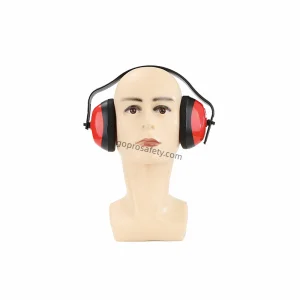
In the modern industrial landscape, hearing protection is no longer just a compliance requirement—it is a critical component of operational health and safety (OHS) strategy. As global standards (OSHA in the US, EN 352 in Europe) become increasingly stringent, factories and buyers must navigate a complex ecosystem of Noise Reduction Ratings (NRR) and Single Number Ratings (SNR).
The global demand for high-performance hearing protection is rising due to increased mechanization. Enterprises are shifting from basic, low-cost disposables to high-fidelity, ergonomic hearing protection devices (HPDs) that facilitate communication while blocking harmful frequencies. For international procurement teams, the challenge lies in balancing price efficiency with consistent regulatory compliance.
China has solidified its position as the premier manufacturing hub for PPE. The competitive advantage stems from:
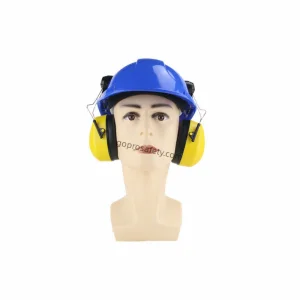
Requires robust, helmet-mounted earmuffs that withstand impact and dust.
Focuses on repetitive, long-term wear; comfort is king. Foam earplugs are preferred.
Requires flame-retardant materials and high decibel reduction capabilities.
Requires high-precision SNR levels to combat low-frequency drone/engine noise.
A: NRR (Noise Reduction Rating) is the standard used in the United States, while SNR (Single Number Rating) is the standard in Europe. It is essential to ensure the hearing protection you import meets the certification required by your destination market.
A: Yes. Modern factories in China now support flexible OEM/ODM solutions, allowing for custom logo branding and specific packaging even for trial orders.
A: Always request pre-production samples and documentation regarding material testing (e.g., SGS, CE, ANSI certifications). Reliable suppliers will provide traceability from raw material to finished product.
 GoPro Safety