What is PPE Personal Protective Equipment and Why is it Essential?

Time:2026-08-11 Author:Liam
0%

Personal Protective Equipment (PPE) is crucial in various industries. It serves to safeguard workers from potential hazards. These hazards can be physical, chemical, or biological in nature. Without PPE, employees expose themselves to significant risks. This exposure may lead to injuries and long-term health issues.

The importance of PPE cannot be overstated. Proper gear can prevent accidents and even save lives. In healthcare, for example, PPE protects against infectious diseases. In construction, it guards against falls and debris. Each industry requires specific PPE tailored to its unique risks. Neglecting this aspect can have dire consequences.

PPE is not just about compliance; it reflects a commitment to safety. Employers should prioritize providing adequate equipment. However, it's essential to remember that PPE is not a substitute for safe practices. Relying solely on gear may create a false sense of security. Continuous training and awareness are necessary for true safety.
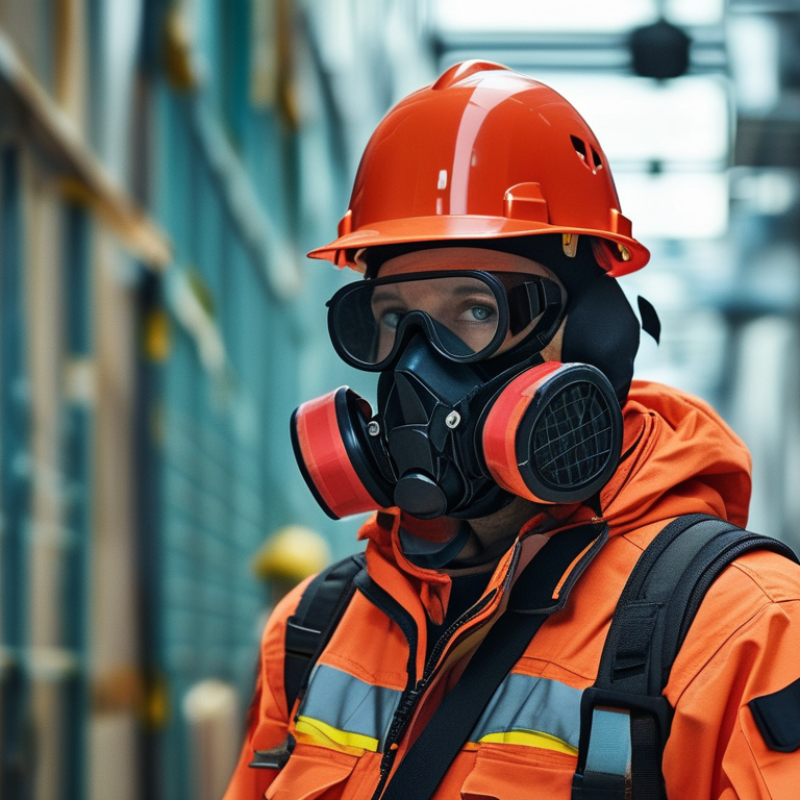
What is PPE Personal Protective Equipment and Why is it Essential?

Definition and Types of Personal Protective Equipment (PPE)

Personal Protective Equipment (PPE) is crucial for ensuring workplace safety. It encompasses a variety of gear designed to protect workers from hazards. Common types include gloves, masks, helmets, and goggles. According to the National Institute for Occupational Safety and Health (NIOSH), 70% of workplace injuries could have been prevented with proper PPE. This statistic highlights the need for effective use and training on utilizing these protective tools.

Different industries necessitate specific types of PPE. For instance, construction sites often require hard hats and harnesses. Healthcare environments may rely on gowns and face shields. While regulations exist, compliance can be inconsistent. A study by the Bureau of Labor Statistics indicates that nearly 25% of workers report not using PPE due to discomfort or lack of training. These barriers must be addressed to enhance safety.

In addition to physical protection, PPE also fosters a culture of safety. When employees wear the appropriate equipment, it shows a commitment to health. However, awareness and education are critical. Many workers do not fully understand the importance of PPE. Increasing training and accessibility can improve adherence. Overall, better communication around PPE can lead to safer environments.

Importance of PPE in Various Industries and Work Environments

Personal Protective Equipment (PPE) plays a crucial role across various industries. In healthcare, PPE is essential for protecting workers from infectious diseases. According to the Centers for Disease Control and Prevention (CDC), the proper use of PPE can reduce the transmission of pathogens by up to 90%. During the COVID-19 pandemic, healthcare workers faced significant risks. Ensuring adequate PPE availability became a matter of safety and public health.

In construction, PPE is vital for preventing injuries. The Occupational Safety and Health Administration (OSHA) reports that falls are one of the leading causes of death in this sector. Hard hats, gloves, and safety goggles are common PPE items. These gear types can significantly lower the risk of accidents on-site. A study found that proper PPE usage could decrease injury rates by 60% in high-risk environments.

Manufacturing also emphasizes the use of PPE. Workers are exposed to hazards such as chemicals and machinery. Research indicates that nearly 2 million workers suffer eye injuries annually, many of which could be prevented with appropriate eye protection. Despite these statistics, compliance remains inconsistent. Some workers neglect PPE, leading to increased risks. Continuous training and awareness are necessary to improve adherence to PPE protocols.

What is PPE Personal Protective Equipment and Why is it Essential?

Industry Type of PPE Importance
Construction Hard Hats, Safety Boots Prevents head injuries and foot injuries from falling objects.
Healthcare Masks, Gloves, Gowns Protects against infection transmission and contamination.
Manufacturing Ear Protection, Safety Glasses Reduces noise-induced hearing loss and protects eyes from debris.
Laboratories Lab Coats, Safety Goggles Protects skin and eyes from chemical spills and splashes.
Agriculture Respirators, Sun Protection Gear Prevents respiratory issues from chemicals and UV exposure.

Common Materials Used in PPE Manufacturing

Personal Protective Equipment (PPE) plays a crucial role in safeguarding workers across various industries. The materials used in PPE manufacturing are diverse and tailored to specific hazards. Commonly used materials include polyethylene, polypropylene, and latex, each offering unique protection properties. For example, polyethylene is often chosen for its lightweight and durable characteristics, making it ideal for disposable gowns.

In recent reports, the Global PPE Market was valued at approximately $52 billion in 2021, with projections indicating steady growth. This growth emphasizes the need for high-quality materials in PPE production. However, a report from the International Safety Equipment Association highlights a persistent issue: not all PPE manufactured adheres to industry standards. Some products fall short, raising concerns regarding worker safety and confidence.

Another prevalent material in PPE is Kevlar, known for its exceptional strength and cut resistance. It is widely used in gloves and vests to enhance worker safety in hazardous environments. Yet, the reliance on synthetic materials has prompted debates over environmental impact. Balancing protection with sustainability remains a challenge. The industry must navigate these complexities to ensure both safety and ecological responsibility.

PPE Materials Usage in Manufacturing

Regulatory Standards and Guidelines for PPE Usage

PPE, or Personal Protective Equipment, plays a critical role in safeguarding workers across various industries. Regulatory standards for PPE are designed to protect employees from hazards. These standards vary by country but share common principles. They emphasize risk assessments, proper training, and the correct use of PPE.

Employers must ensure that the PPE used meets relevant safety guidelines. In the United States, for example, OSHA sets forth regulations that outline the requirements for PPE in the workplace. These rules focus on identifying potential hazards and selecting appropriate equipment. Compliance requires regular audits and employee feedback, which are often overlooked. Despite established guidelines, many workplaces still face challenges in enforcement.

Training is another key aspect of successful PPE implementation. Workers need to understand how and when to use equipment properly. Organizations should offer frequent training sessions, yet many do not prioritize this. It's easy to assume that all employees know how to wear PPE correctly. This oversight can lead to increased injuries and decreased effectiveness. Developing a culture of safety involves ongoing commitment and reflection on current practices.

Best Practices for Selecting and Maintaining PPE

Selecting and maintaining personal protective equipment (PPE) is crucial for workplace safety. The right PPE can prevent serious injuries and protect against various hazards. Identify the specific risks associated with your work environment. This includes chemical exposure, physical hazards, or biological threats. Understanding these dangers allows for better PPE selection.


When choosing PPE, comfort and fit are important. Ill-fitting gear may discourage proper use. It's important to test for comfort before committing to a purchase. Regular inspection and maintenance are essential for PPE longevity. Check for signs of wear and tear regularly. If equipment shows damage, it’s time to replace it.


Training workers on the correct use of PPE is often overlooked. Workers should know how each component functions and when it is necessary. Gather feedback from users to improve PPE policies. Lastly, maintaining an inventory of equipment can ensure availability. However, be aware that simply having PPE isn’t enough; effective use plays a vital role in workplace safety. Regular discussions can help refine practices and encourage a culture of continuous improvement.

FAQS

: What is Personal Protective Equipment (PPE)?

: PPE refers to gear designed to protect workers from workplace hazards.

Why is PPE important?

Proper PPE can prevent up to 70% of workplace injuries, enhancing overall safety.

What types of PPE are commonly used?

Common types include gloves, masks, helmets, and goggles, specific to each industry.

What challenges affect PPE usage?

Many workers report discomfort or lack of training, leading to non-compliance with safety measures.

How can PPE reduce risks in healthcare?

Proper PPE can decrease pathogen transmission by up to 90%, crucial during health crises.

What are the regulatory standards for PPE?

Standards focus on risk assessments and correct PPE usage but often lack enforcement.

Why is training important for PPE?

Workers must understand proper usage to minimize injuries, yet training is frequently neglected.

How does PPE foster a safety culture?

Wearing appropriate gear represents a commitment to health and safety among employees.

What is a common misconception about PPE?

Many assume all workers know how to use PPE correctly, which can be a dangerous oversight.

What is needed for better adherence to PPE protocols?

Improved communication, ongoing training, and accessible resources are essential for compliance.

Conclusion

PPE, or Personal Protective Equipment, encompasses a variety of protective gear designed to safeguard workers from workplace hazards. It includes items such as helmets, gloves, goggles, and respirators, tailored to mitigate risks depending on the industry. The importance of PPE is paramount across various sectors, including construction, healthcare, and manufacturing, as it plays a crucial role in preventing injuries and ensuring the safety and well-being of employees.

Manufactured from a range of common materials—like rubber, plastic, and fabric—PPE is governed by strict regulatory standards and guidelines to ensure effectiveness and reliability. Selecting the appropriate PPE and maintaining it properly is essential for maximizing its protective capabilities. By adhering to best practices in PPE usage, organizations can create a safer work environment and minimize the likelihood of accidents and health issues.

Liam

Liam

Liam is a dedicated marketing professional with a profound expertise in the industry, where he excels at highlighting the unique advantages of our core products. With a keen understanding of market trends and consumer needs, Liam frequently updates our company’s professional blog, providing......