Top 5 Personal Protective Equipment for Industrial Safety?

Time:2026-08-01 Author:Liam
0%

In industrial settings, safety is paramount. Personal Protective Equipment (PPE) plays a critical role in ensuring worker safety. According to the Bureau of Labor Statistics, over 2.8 million workplace injuries occur annually in the U.S. alone. Many of these injuries could be prevented with proper use of PPE.

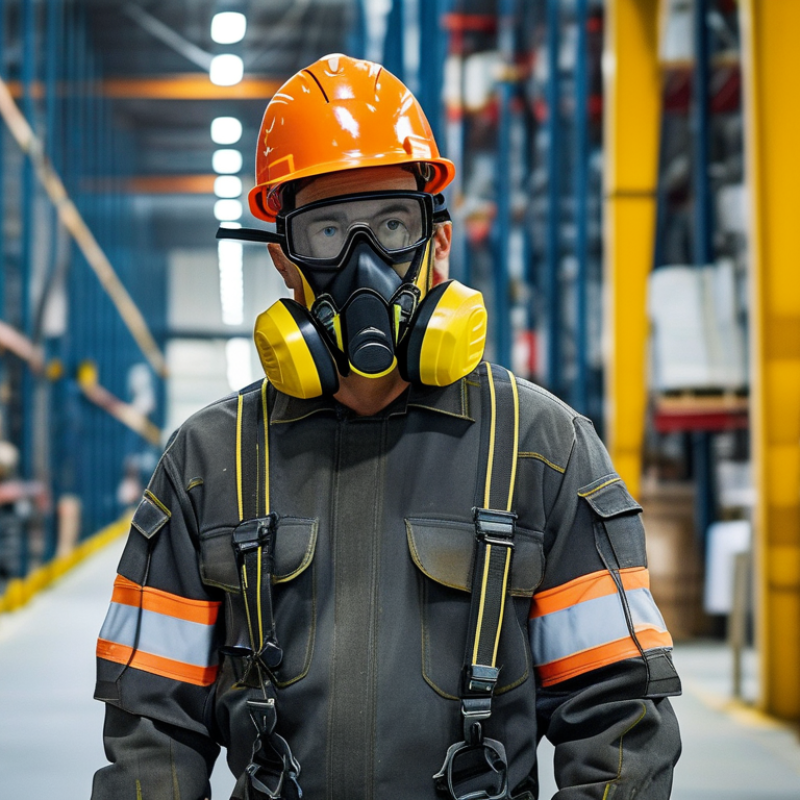
Various types of Personal Protective Equipment in industrial safety include helmets, gloves, respiratory gear, eye protection, and footwear. Each piece offers vital protections against hazards. For instance, head injuries account for 10% of workplace fatalities, highlighting the importance of effective helmets. Moreover, OSHA standards emphasize the necessity of PPE to mitigate risks.

Despite the availability of PPE, usage compliance remains a challenge. Many workers neglect proper equipment due to discomfort or lack of training. This issue raises questions about the effectiveness of safety programs. A systematic approach is needed to promote a culture of safety within industries. Investing in both effective equipment and training is essential for reducing workplace injuries.
Top 5 Personal Protective Equipment for Industrial Safety?

Types of Personal Protective Equipment Commonly Used in Industries

Personal Protective Equipment (PPE) is essential for ensuring safety in industrial environments. Common types of PPE include helmets, gloves, eyewear, hearing protection, and respiratory gear. According to the Occupational Safety and Health Administration (OSHA), proper use of PPE can prevent nearly 30% of workplace injuries.

Helmets protect against head injuries from falling objects. For instance, over 40% of head injuries occur in the construction sector. Gloves shield hands from cuts and chemicals. A study by the National Institute for Occupational Safety and Health (NIOSH) highlights that 70% of hand injuries could be avoided with appropriate gloves.

Eyewear protects against impacts and harmful particles. As per the Bureau of Labor Statistics, around 20,000 eye injuries happen annually within U.S. workplaces. Hearing protection is crucial in noisy environments. When noise levels exceed 85 decibels, hearing loss becomes a risk. Respirators protect against airborne contaminants, especially in fields like manufacturing and chemical processing. Inadequate use of this gear puts workers at prolonged risk. Prioritizing appropriate PPE is not just a regulation; it's necessary for preventing injuries and fatalities in potentially hazardous environments.

Key Features of Effective Industrial Safety Gear

When it comes to industrial safety, the right personal protective equipment (PPE) can make a significant difference. A 2021 report by the Bureau of Labor Statistics revealed that personal protective equipment can reduce workplace injuries by up to 40%. Effective industrial safety gear should prioritize comfort and functionality. Gear that fits well encourages compliance and ensures workers are protected at all times.


Key features to consider include visibility, durability, and breathability. High-visibility vests and helmets protect against accidents in low-light environments. Materials need to withstand harsh conditions while offering breathability to keep workers cool. For instance, a study in the Journal of Safety Research highlighted the need for moisture-wicking fabrics in PPE to enhance worker comfort.


Furthermore, the importance of proper maintenance cannot be overstated. Regular inspections and timely replacements of safety gear help maintain its effectiveness. A survey performed in 2022 found that almost one-third of industrial injuries were due to improperly maintained equipment. Continuous training on the importance of PPE care is vital. It's essential for companies to recognize these factors to minimize risks on the job.

Criteria for Selecting the Right PPE for Your Workplace

Selecting the right personal protective equipment (PPE) for your workplace involves careful consideration. Begin by evaluating the specific hazards present in your industrial environment. This could range from chemical exposure to physical hazards like heavy machinery. Understanding the types of risks is crucial to selecting effective PPE that offers adequate protection.

Assess the comfort and fit of the PPE as well. Employees are more likely to wear gear that fits properly. Ill-fitting equipment may lead to neglect, putting workers at risk. Consider the usability of the PPE, ensuring it allows for adequate mobility and visibility. Protective gear should not be a hindrance in daily operations.

Consulting with safety professionals can provide valuable insight. They can help identify essential features based on industry standards. Keep in mind that not all PPE is foolproof. Regularly evaluate and update your equipment, as safety standards continue to evolve. Maintaining a proactive approach is key to ensuring a safe and healthy workplace.

Best Practices for Maintaining and Inspecting PPE

Personal protective equipment (PPE) is crucial for worker safety in industrial settings. However, maintaining and inspecting this equipment is equally important. Studies indicate that nearly 25% of workplace accidents are linked to the improper use of PPE. Regular inspections can significantly reduce these incidents.

Inspecting PPE should be a routine practice. Each piece of equipment must be checked for signs of wear and tear. This step is vital. For instance, hard hats should be examined for cracks or dents that compromise safety. Employers should implement a checklist tailored to their specific equipment. Regular training can reinforce the importance of these inspections.

Documentation is essential. Keeping records of inspections helps track the longevity of each item. A report from the National Safety Council states that proper documentation can improve compliance by almost 40%. Workers should be encouraged to report issues immediately. Ensuring that everyone feels responsible is key. An engaged workforce can lead to a significant reduction in accidents and injuries.

The Role of Training in Enhancing PPE Effectiveness

Training plays a vital role in enhancing the effectiveness of personal protective equipment (PPE) in industrial settings. Understanding how to use PPE correctly can significantly reduce workplace injuries. Workers must be trained on the specifics of each piece of equipment, from proper usage to maintenance. A simple misunderstanding can lead to accidents.

Tips: Conduct regular training sessions. Make sure all employees attend. Use real-life scenarios to illustrate the importance of PPE. This approach can help workers internalize safety protocols.

Effective training should not only focus on equipment. It must also encourage a safety-first mindset. Continuous reinforcement of safety practices can create a culture where employees feel responsible for their well-being. If training is infrequent, employees may forget crucial information. This can have dire consequences in high-risk industries.

Tips: Encourage feedback from employees after training. This can identify areas needing improvement. Update training materials regularly to incorporate new safety techniques and PPE innovations. This keeps the training fresh and relevant.

FAQS

: What is Personal Protective Equipment (PPE)?

: PPE includes helmets, gloves, eyewear, hearing protection, and respiratory gear for safety in industries.

Why is wearing helmets important?

Helmets protect against head injuries, especially from falling objects, common in construction environments.

How do gloves help prevent injuries?

Gloves prevent cuts and protect hands from chemicals. About 70% of hand injuries can be avoided with proper gloves.

What types of eye protection are needed?

Eyewear shields against impacts and harmful particles. Around 20,000 eye injuries occur yearly in workplaces.

When is hearing protection necessary?

Use hearing protection when noise levels exceed 85 decibels to prevent hearing loss.

Why are respirators important?

Respirators protect against airborne contaminants, especially in manufacturing and chemical processing sectors.

What features should effective safety gear have?

Safety gear should be comfortable, durable, breathable, and high-visibility to ensure worker safety.

How does poor maintenance affect PPE?

Improperly maintained equipment leads to injuries; about one-third of industrial injuries stem from this issue.

What role does training play in PPE use?

Continuous training on PPE care is vital for minimizing workplace risks and enhancing safety protocols.

How can gear fit impact safety?

Well-fitting gear encourages compliance. Uncomfortable equipment may lead workers to ignore safety protocols.

Conclusion

Personal Protective Equipment in Industrial Safety plays a crucial role in protecting workers from various hazards present in industrial environments. The primary types of PPE commonly used include helmets, gloves, eye protection, earplugs, and respiratory equipment, each designed to safeguard against specific risks. Effective industrial safety gear features durability, comfort, and a proper fit, ensuring maximum protection.

When selecting the right PPE for your workplace, it’s vital to assess the specific hazards, ensure compliance with safety standards, and consider the comfort and usability of the equipment. Regular maintenance and thorough inspection of PPE are essential practices to uphold safety standards and prolong the lifespan of the equipment. Furthermore, incorporating training sessions that educate employees on the correct usage and limitations of PPE significantly enhances its effectiveness, ensuring a safer work environment.

Liam

Liam

Liam is a dedicated marketing professional with a profound expertise in the industry, where he excels at highlighting the unique advantages of our core products. With a keen understanding of market trends and consumer needs, Liam frequently updates our company’s professional blog, providing......