In recent years, the demand for personal protective equipment (PPE) has surged globally. As concerns over health and safety have intensified, buyers are seeking reliable sources for quality products. The search for the "Top PPE Supplier in China" has become increasingly relevant for global buyers.
China has established itself as a leading manufacturer of PPE, catering to diverse needs. With its vast production capabilities and advanced technology, the country continues to attract international buyers. However, finding a trustworthy supplier is not without challenges. The market can be saturated with options, and quality varies significantly among suppliers.
Buyers should approach sourcing with a critical eye. Evaluating suppliers based on their experience, certifications, and product quality is vital. Transparency and communication play key roles in this process. Potential issues can arise, and buyers need to ensure reliable partnerships. As the landscape evolves, the quest for the top PPE supplier in China will require strategic thinking and due diligence to navigate effectively.
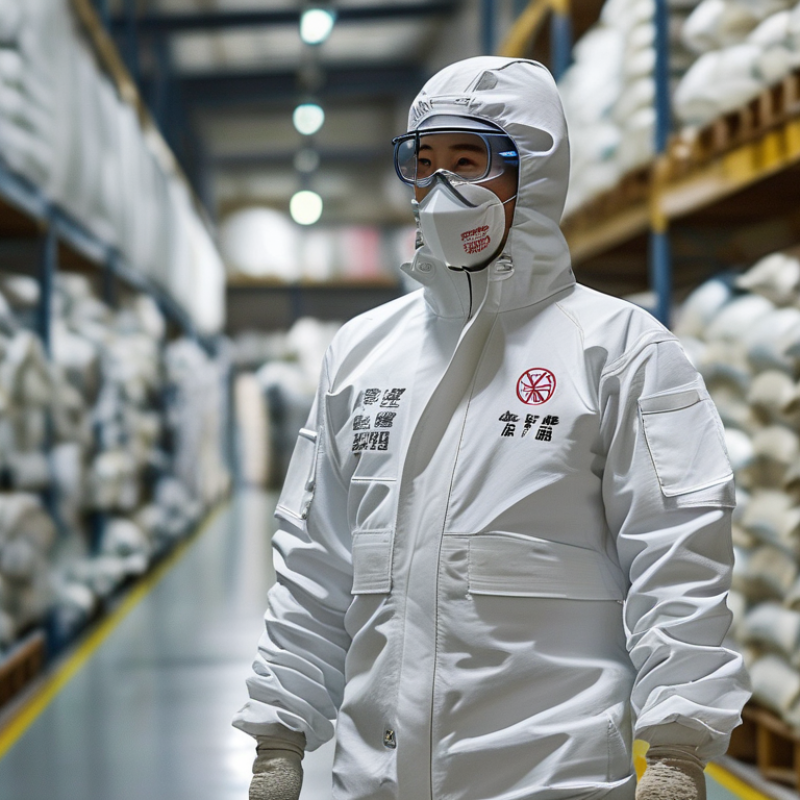
The landscape of personal protective equipment (PPE) sourcing is evolving rapidly. By 2026, global buyers will seek reliable suppliers in China. Identifying these suppliers is essential for maintaining safety standards. Increasing demand for high-quality PPE in various industries makes this a competitive market.
Emerging suppliers must meet rigorous quality standards. A commitment to quality can set companies apart. Buyers should look for certifications that validate product safety. It's crucial to assess the production processes of these suppliers. Transparent manufacturing practices build trust. Buyers should not overlook the importance of timely communication.
Innovation will also shape the PPE sector. Suppliers that invest in technology will better meet buyer needs. However, not all suppliers may keep pace with these changes. Evaluating their adaptability is key. This landscape warrants careful consideration and a reflective approach. The ideal supplier might not be the largest, but the most reliable.
The global pandemic brought unprecedented attention to personal protective equipment (PPE). However, the dynamics of the PPE supply chain are complex. Several key factors influence these dynamics as we look toward 2026. Data from industry reports indicate that the global PPE market will reach approximately $92 billion by 2026, driven by heightened safety awareness and regulations. This surge creates a pressing need for reliable suppliers in China.
One crucial factor is the material sourcing. China is a leading producer of raw materials needed for PPE, such as non-woven fabrics and filters. Fluctuations in raw material prices can disrupt supply chains. Moreover, labor cost changes and compliance with safety standards impact production capabilities. It's essential for buyers to cultivate relationships with suppliers to ensure consistent quality.
Tips: Assess the stability of suppliers. Visit factories when possible. Look for companies with strong certification processes.
Another influence is logistical challenges. Shipping delays and port congestion can critically affect delivery times. Studies show that 70% of buying decisions hinge on timely delivery. Buyers must factor these elements into their sourcing strategies. Ensuring diversified shipping options can mitigate risks.
Tips: Create backup plans. Evaluate alternative shipping routes regularly. Stay updated on global shipping trends.
As global demand for personal protective equipment (PPE) continues to shift, suppliers in China are positioned to adapt. The World Health Organization projects a sustained increase in PPE usage, particularly in healthcare and construction sectors. Reports indicate that by 2026, the global PPE market could exceed $100 billion, driven by evolving regulatory standards and heightened safety awareness post-pandemic.
Emerging trends indicate a significant rise in the need for sustainable materials in PPE products. Research shows that 70% of consumers prefer eco-friendly options. This shift urges manufacturers to innovate and consider environmental impact. Traditional materials such as polypropylene are being reevaluated as biodegradable alternatives gain traction. However, there is a challenge in balancing cost-effectiveness with sustainability.
The demand for specialized PPE is also on the rise. Industries such as food processing and pharmaceuticals require tailored solutions. Data suggests that the market for such products may grow by 15% annually. Unfortunately, many suppliers struggle to keep up with these specific needs. This gap highlights the importance of communication between manufacturers and end-users to ensure safety and effectiveness in PPE procurement.
| Product Category | Projected Global Demand (Million Units) | Top Export Regions | Growth Rate (2023-2026) |
|---|---|---|---|
| Face Masks | 5,000 | North America, Europe | 15% |
| Gloves | 3,000 | Asia-Pacific, Europe | 10% |
| Protective Clothing | 1,500 | North America, Latin America | 12% |
| Face Shields | 800 | Europe, Middle East | 20% |
| Respirators | 600 | Asia-Pacific, North America | 18% |
In 2026, the demand for personal protective equipment (PPE) will remain high. Evaluating quality standards and certifications is crucial for buyers. According to industry reports, over 70% of global PPE suppliers prioritize compliance with international standards like ISO and ASTM. These certifications ensure safety and durability in various work environments.
Quality checks on PPE often reveal inconsistencies. A study in 2022 showed that 15% of tested products did not meet required standards. This raises questions about the reliability of some suppliers. Global buyers need to scrutinize suppliers to ensure they adhere to quality guidelines. Yet, with many options, the process can be overwhelming.
Certifications such as CE marking and NIOSH approval indicate compliance with safety regulations. However, not all manufacturers invest in these certifications. This gap can affect overall safety. To navigate this landscape, buyers should focus on suppliers who showcase transparent practices and verifiable certifications. This helps ensure that the PPE they procure meets the necessary safety benchmarks.
Strategic partnerships between Chinese suppliers and global buyers are essential in today's market. As the demand for personal protective equipment (PPE) soars, collaboration drives quality and innovation. Chinese manufacturers benefit from global standards and guidelines. This helps them align their products with international expectations.
Buyers should assess potential suppliers carefully. Trust is crucial in these partnerships. Look for suppliers with verified certifications and a track record of reliability. Engaging with suppliers who understand local regulations can prevent compliance issues.
Tip: Always request product samples before finalizing bulk orders. This ensures the quality meets your standards. Open communication fosters mutual understanding and can lead to better pricing and service deals.
Monitoring the supply chain is vital. Delays can disrupt operations and lead to financial losses. Regularly check in with suppliers to ensure timelines are met. This proactive approach can help identify risks early and create contingency plans.
Tip: Create a checklist for evaluating supplier performance. Include parameters like delivery times, product quality, and communication efficiency. This will help in making informed decisions for future collaborations.
: Material sourcing and logistical challenges are significant. These elements affect the reliability and efficiency of the supply chain.
Stable suppliers ensure consistent quality. Buyers should visit factories and assess certification processes for reliability.
Shipping delays can critically affect delivery times. Studies show that 70% of decisions depend on timely delivery.
Buyers should prioritize suppliers with international certifications like ISO and ASTM. These ensure safety and durability.
A study found that 15% of tested PPE does not meet standards. This highlights the need to scrutinize suppliers closely.
Strategic partnerships enhance quality and innovation. Trust and understanding of local regulations are crucial for successful collaborations.
Always request product samples to ensure quality. This step prevents potential issues with mass purchases.
Monitor the supply chain closely. Regular check-ins with suppliers can prevent delays and identify potential risks early.
Create a checklist including delivery times, product quality, and communication. This helps in making informed decisions.
Transparent practices and verifiable certifications help ensure safety and compliance. This builds trust between buyers and suppliers.
As the demand for personal protective equipment (PPE) continues to rise globally, identifying the top PPE suppliers in China by 2026 is crucial for international buyers. Key factors influencing the PPE supply chain dynamics include manufacturing capabilities, logistical efficiencies, and compliance with quality standards. The article outlines emerging trends in global demand, highlighting the increasing emphasis on sustainability and innovative materials in PPE production.
Evaluating quality standards and certifications is essential for buyers seeking reliable products. Moreover, strategic partnerships between Chinese suppliers and global buyers are projected to play a significant role in enhancing supply chain resilience and meeting diverse market needs. By focusing on these aspects, businesses can navigate the complexities of the PPE industry and secure relationships with top PPE suppliers in China, ultimately ensuring access to high-quality, compliant protective products.

GoPro Safety