In the global market, finding reliable PPE suppliers in China can be challenging. Many buyers focus on quality and compliance with safety standards. When seeking a PPE supplier in China, understanding the landscape is vital. The demand for personal protective equipment has surged, especially in recent years. This increased demand highlights the need for strong partnerships with trustworthy manufacturers.
The search for a PPE supplier in China requires careful consideration of several factors. Price is important, but so is quality. A supplier's reputation can significantly impact your business. Some manufacturers may offer low prices, but hidden costs can arise. Our focus will be on reputable suppliers who maintain high standards. Their experience and commitment to quality are essential.
As we explore the top 10 PPE suppliers in China, we will consider their strengths and weaknesses. There are various options, each with unique offerings. Finding the right fit requires attention to detail and thorough evaluation. Before making any decisions, reflect on your specific needs and priorities. Selecting the ideal PPE supplier in China can set the foundation for success.
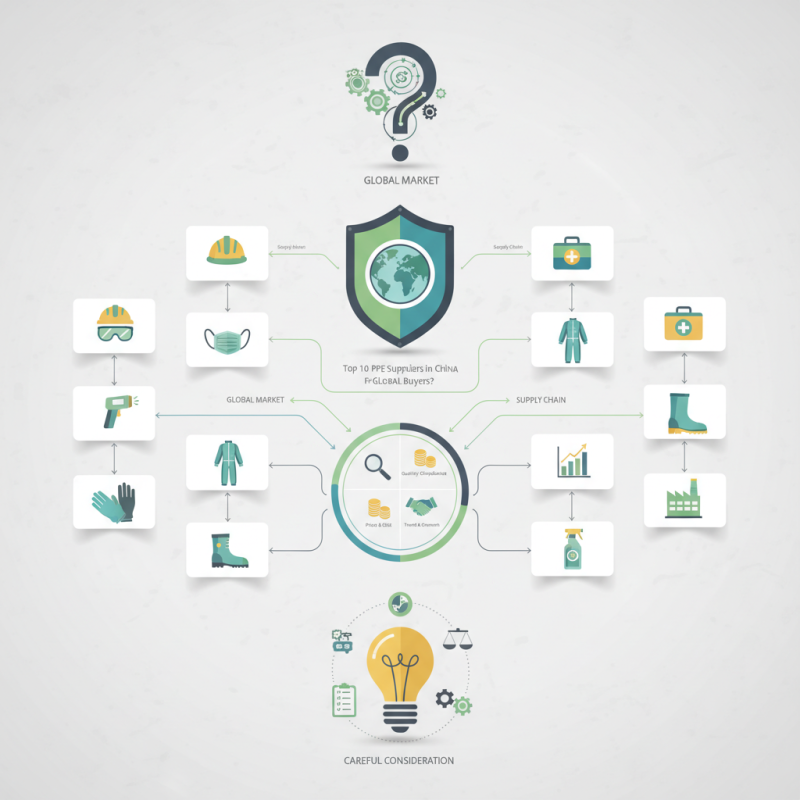
Overview of the PPE Market in China
The PPE market in China has witnessed rapid growth in recent years. This surge is driven by increased global demand for personal protective equipment. Factors like health awareness and industrial safety standards have propelled manufacturers to innovate and scale production capacities. China stands as a pivotal hub for various PPE supplies.
Many factories produce a wide range of equipment, from masks to gloves. However, quality assurance can sometimes be inconsistent. Buyers must navigate a landscape where standards vary significantly. Sourcing agents often play crucial roles in bridging the gap in quality control. Without proper verification, buyers may receive subpar products.
Global buyers should exercise caution when partnering with suppliers. Researching potential partners is essential. Understanding local regulations and quality certifications can mitigate risks. In a competitive environment, forging long-lasting relationships with reliable manufacturers can yield significant benefits while promoting safety compliance worldwide.
Criteria for Selecting Top PPE Suppliers
When selecting top PPE suppliers in China, it is crucial to establish clear criteria. Quality assurance is paramount, especially in the PPE sector. The global PPE market is projected to reach $92.5 billion by 2027, with an annual growth rate of over 6%. Buyers need suppliers who consistently meet international safety standards, such as ISO and CE certifications. These certifications indicate a commitment to quality and reliability.
Supply chain transparency is also important. A robust supply chain can withstand disruptions, which has become evident during global crises. Reports indicate that buyers prefer suppliers who can quickly adapt to changes, demonstrating agility in their operations. Furthermore, responsiveness to inquiries and concerns can serve as an indicator of a supplier's reliability. Effective communication channels should be easy to navigate.
Pricing cannot be overlooked, but it shouldn't be the only factor. Competitive pricing without compromising quality can be a challenge. Buyers should consider total cost of ownership, which includes related expenses and potential risks. While some suppliers may offer lower prices, hidden costs can lead to reflections on quality and safety. Balancing cost and quality will ultimately determine the best partnerships in the PPE landscape.
List of Leading PPE Suppliers in China
In the global arena, personal protective equipment (PPE) remains vital for workplace safety. China leads as a key supplier in this sector, driven by robust manufacturing capabilities. According to a recent industry report, the PPE market is projected to reach $92 billion globally by 2027, with a significant share attributed to Chinese suppliers.
When sourcing PPE, it's crucial to consider the range of products available. Not only are masks and gloves essential, but protective suits and face shields have also gained traction. Buyers should assess suppliers for certifications and compliance with international safety standards. For instance, many leading manufacturers boast ISO certifications, which reflect their commitment to quality.
Tips: Always verify supplier credentials. Reach out for samples before placing large orders. Understanding the intricacies of supply chains can mitigate risks. The market does experience fluctuations in demand, often influenced by global health crises. This volatility suggests the importance of developing strong relationships with multiple suppliers. An adaptable strategy can ensure you are equipped to face challenges in procurement and supply management.
Top 10 PPE Suppliers in China - Market Share Analysis
Comparative Analysis of Supplier Offerings
In recent years, the demand for personal protective equipment (PPE) has surged globally. A recent industry report indicates that the global PPE market size is expected to reach $93 billion by 2027. China plays a pivotal role in this supply chain, with numerous suppliers offering diverse product ranges. A comparative analysis reveals several key trends among top suppliers.
First, quality assurance is a paramount concern. Many suppliers adopt international standards such as ISO 9001 and comply with regulations set by local authorities. This helps ensure that products are reliable and effective. However, not all suppliers maintain consistent quality. Variations can occur across product batches, raising questions about trust.
Moreover, pricing strategies differ widely among suppliers. Some offer competitive rates, while others maintain premium pricing due to advanced technology or superior materials. A comprehensive survey indicates that approximately 40% of buyers prioritize cost over quality. Yet, compromising on quality can lead to significant consequences, especially in crucial applications like healthcare. This highlights the delicate balance buyers must strike between cost and quality.
Lastly, sustainability is becoming increasingly pertinent. Consumers now demand eco-friendly products. Some suppliers have started incorporating sustainable practices, but the overall adoption remains uneven. This inconsistency raises ethical considerations for buyers seeking responsible sourcing.
Top 10 PPE Suppliers in China for Global Buyers
| Supplier Category |
Product Range |
Certifications |
Average Lead Time |
Export Experience |
| Medical PPE |
Masks, Gowns, Gloves |
CE, FDA |
2-4 weeks |
10+ years |
| Industrial PPE |
Helmets, Safety Shoes, Vests |
ISO, ANSI |
3-6 weeks |
5-10 years |
| Construction PPE |
Kneepads, Safety Harnesses |
OSHA, CE |
4-8 weeks |
8+ years |
| Chemical PPE |
Full-body Suits, Gloves |
EN, ACGIH |
5-7 weeks |
12 years |
| Firefighting PPE |
Fire-resistant Suits, Helmets |
NFPA, ISO |
6-9 weeks |
15 years |
| Electrical PPE |
Insulated Gloves, Arc Rated Clothing |
ASTM, IEC |
4-6 weeks |
10 years |
| Respiratory PPE |
Respirators, Filters |
NIOSH, CE |
3-5 weeks |
7+ years |
| Laboratory PPE |
Lab Coats, Goggles |
ISO, BS |
2-3 weeks |
6 years |
| Food Safety PPE |
Aprons, Gloves |
FDA, HACCP |
3-4 weeks |
5+ years |
| Personal Protective Accessories |
Face Shields, Protective Goggles |
CE, ASTM |
2-3 weeks |
7 years |
Trends and Future Outlook for PPE Supply in China
The landscape of Personal Protective Equipment (PPE) supply in China continues to evolve rapidly. With the global demand projected to grow at a CAGR of 8.8% from 2022 to 2028, suppliers must adapt to changing market conditions. Factors such as the pandemic and increased health awareness have sparked a surge in demand. According to a recent report by Statista, the global PPE market reached approximately $52 billion in 2021, highlighting the urgency in sourcing reliable suppliers.
Sustainability has become crucial for many buyers. A growing number of manufacturers are investing in eco-friendly materials and production processes. This trend aligns with global efforts to reduce environmental impact. Reports indicate that over 60% of industrial buyers prioritize sustainable products. However, challenges persist, including fluctuating raw material prices and supply chain disruptions.
These issues prompt industry stakeholders to rethink sourcing strategies and seek diversified suppliers. Innovation is also reshaping the PPE market in China. New technologies are emerging, enhancing product quality and safety. Manufacturers are increasingly utilizing smart textiles and advanced filtration systems. However, balancing innovation with affordability remains a challenge for many suppliers.
Continuous investments in research and development are needed to maintain competitive advantages. Going forward, collaboration among industry players will be crucial for overcoming these hurdles.
FAQS
: The global PPE market is expected to reach $93 billion by 2027.
Many suppliers comply with international standards and local regulations. However, quality can vary between batches.
About 40% of buyers prioritize cost over quality, which can lead to serious issues in critical situations.
Consumers are demanding eco-friendly products, prompting suppliers to adopt sustainable practices.
Fluctuating raw material prices and supply chain issues create obstacles for sustainably sourced products.
New technologies are improving product safety and quality, but balancing costs with innovation is challenging.
Over 60% of industrial buyers focus on sustainability when selecting products.
Inconsistent quality can affect reliability, particularly in healthcare applications where safety is paramount.
Some suppliers charge more for advanced materials, while others compete on cost, leading to quality compromises.
Collaboration may help address challenges and enhance resilience in the rapidly changing PPE landscape.
Conclusion
The PPE market in China has witnessed significant growth, driven by increased global demand for personal protective equipment. When selecting a PPE supplier in China, buyers should consider factors such as product quality, certification standards, production capacity, and pricing. A comparative analysis of leading PPE suppliers reveals a diverse range of offerings, including masks, gloves, and protective clothing, tailored to meet various industries' needs.
Looking ahead, the PPE supplier landscape in China is evolving, with trends indicating greater emphasis on innovation and sustainable practices. As global buyers seek reliable partners, understanding the dynamics of the PPE supply chain in China becomes crucial for making informed purchasing decisions. Overall, the future outlook remains positive, positioning China as a pivotal player in the global PPE market.

 GoPro Safety