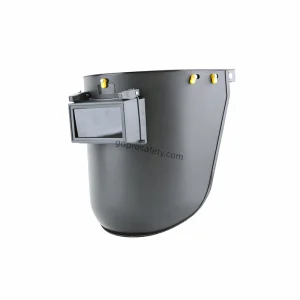
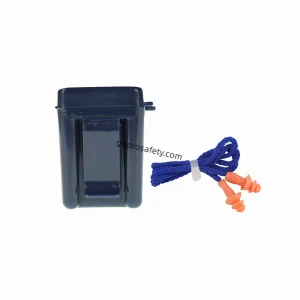
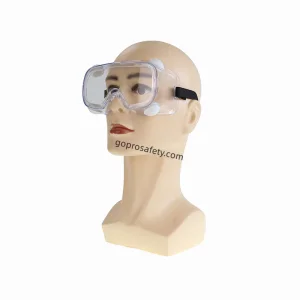
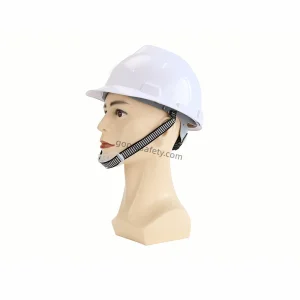
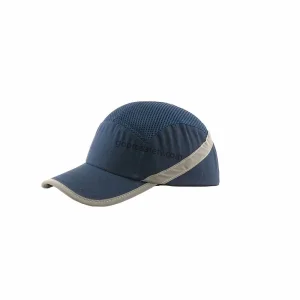
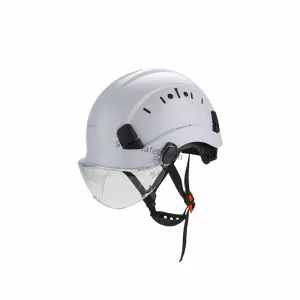
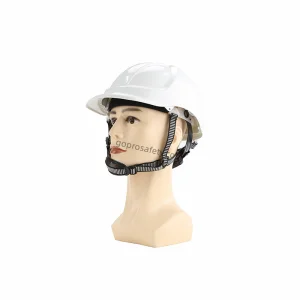
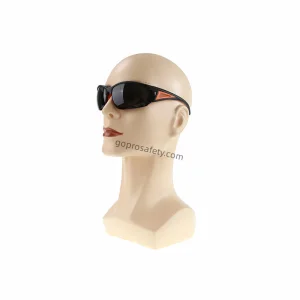
In the modern industrial landscape, purchasing PPE for chemical plants is no longer a simple transactional procurement task. It has evolved into a strategic risk management function. As global chemical manufacturing standards tighten under REACH, OSHA, and ISO 45001, the demand for high-performance Personal Protective Equipment (PPE) has shifted toward materials science innovation and supply chain resilience.
Chemical processing environments are characterized by volatility—toxic exposures, thermal hazards, and corrosive splashes. Current trends indicate a move toward smart PPE integration, where protective gear is designed not just for shielding, but for ergonomic efficiency to reduce fatigue-related incidents. Companies are increasingly prioritizing chemical permeation resistance and anti-fog, anti-scratch coatings that maintain optical clarity in high-humidity or vapor-rich work zones.
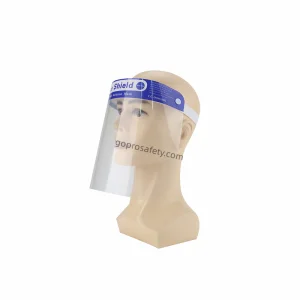
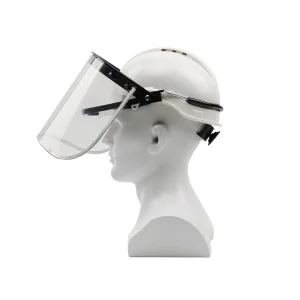
The "China Factory 4.0" initiative has transformed the PPE manufacturing landscape. By leveraging Industry 4.0 technologies—such as automated production lines for face shields and IoT-enabled quality control tracking—factories are achieving unprecedented levels of consistency. This supply chain resilience is critical for global buyers. We no longer rely on simple labor arbitrage; we focus on precision manufacturing. Buyers can now expect stringent batch-to-batch consistency, rigorous CE/ANSI certification compliance, and accelerated lead times, which are essential for maintaining continuous operations in chemical facilities.
We prioritize product performance, durability, and worker safety, ensuring each PPE product is suitable for real industrial environments.
We cooperate with experienced PPE factories in China to maintain stable capacity, consistent quality, and competitive lead times.
From logo branding and packaging customization to small trial orders and bulk shipments, we adapt to your procurement needs.
Each order follows defined inspection procedures and is prepared with proper packing, labeling, and export documentation.
Q: What standards should chemical plant PPE meet?
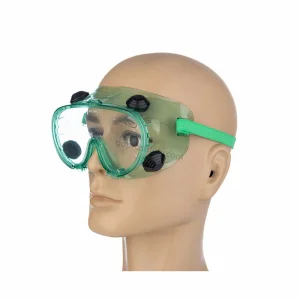
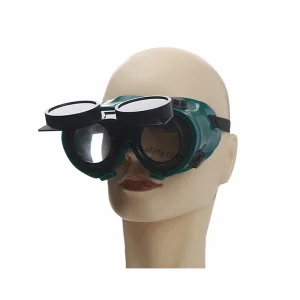
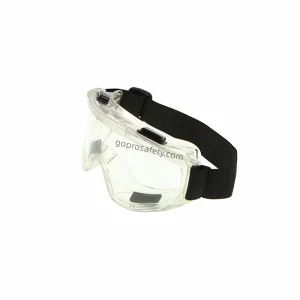
A: PPE used in chemical environments must comply with ANSI Z87.1 (Eye protection) and EN 166 standards. Materials must be chemically resistant, typically using polycarbonate lenses for goggles and high-density materials for helmets.
Q: How does OEM support benefit my company?
A: OEM support allows for customized branding, essential for corporate identity. Furthermore, it ensures the specific product specifications (like specific tint, thickness, or strap design) match your internal safety policies exactly.
Q: Why is "Factory 4.0" important for PPE quality?
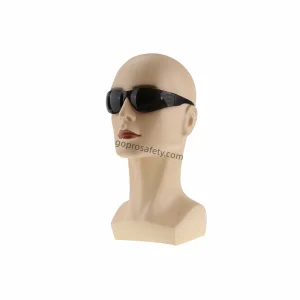
A: Factory 4.0 integrates digital oversight into manufacturing. This minimizes human error, ensures every batch of safety glasses or face shields meets the exact thickness and impact-resistance parameters specified, and allows for rapid scalability during high demand.
 GoPro Safety