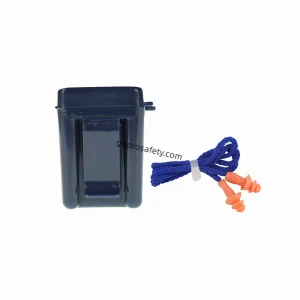
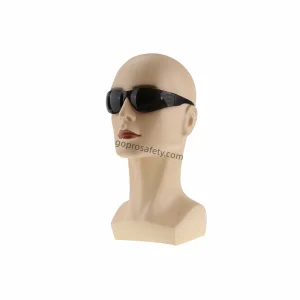
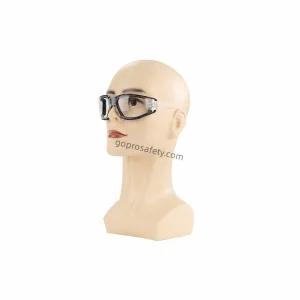
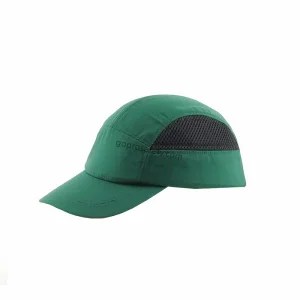
The global demand for high-performance Personal Protective Equipment (PPE) in chemical handling has reached unprecedented levels. With the tightening of industrial regulations worldwide—specifically the EU PPE Regulation 2016/425—manufacturers and suppliers must pivot toward innovation and rigorous certification. Chemical safety is no longer just about coverage; it is about material science, filtration efficiency, and ergonomic design.
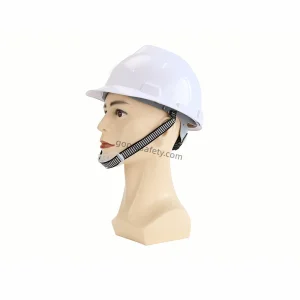
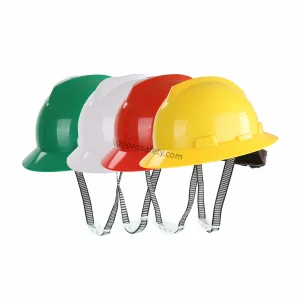
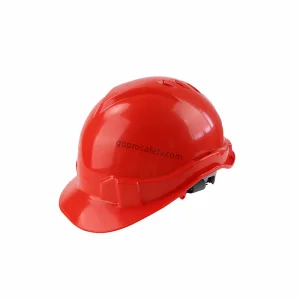
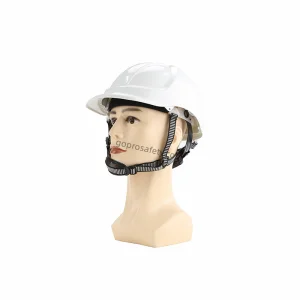
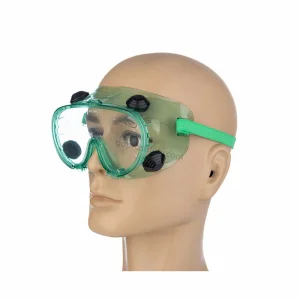
Industry reports indicate a shift toward smart PPE. From anti-fog coatings for chemical splash goggles to chemical-resistant polymers for hard hats, the market is prioritizing durability. Our analysis shows that buyers are increasingly vetting suppliers based on their E-E-A-T credentials: does the factory possess valid CE certificates? Are they compliant with EN standards like EN 166 (Eye protection) and EN 397 (Head protection)?
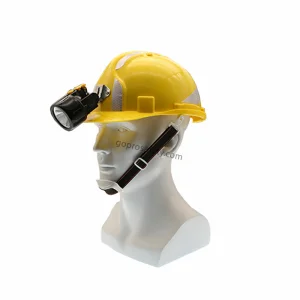
The future of chemical safety PPE lies in sustainability and predictive maintenance. Companies are transitioning to recycled high-density materials that do not compromise structural integrity. Integration of IoT-based sensors in safety helmets to detect chemical leaks or gas exposure is the next frontier. As a leading supplier, we ensure our technical roadmap aligns with these advancements, ensuring our clients receive equipment that is ready for the future of industrial safety.

We prioritize product performance, durability, and worker safety in real industrial environments.

We cooperate with experienced PPE factories in China to maintain stable capacity and consistent quality.

From logo branding to small trial orders, we adapt to your specific procurement needs.

Each order follows defined inspection procedures and proper export documentation.
CE marking indicates that the product complies with the essential health and safety requirements of European legislation. For chemical safety, it ensures the materials meet specific permeation and degradation standards.
We implement a multi-stage Quality Control (QC) process, including raw material inspection, batch testing, and pre-shipment audits to ensure full regulatory compliance.
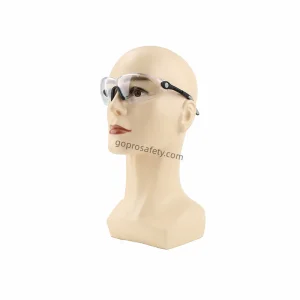
Polycarbonate lenses are typically preferred for their high impact resistance and chemical compatibility, often paired with anti-fog coatings for improved visibility.
 GoPro Safety