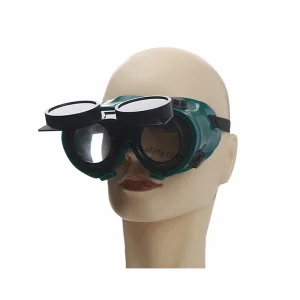
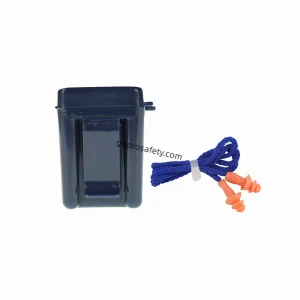
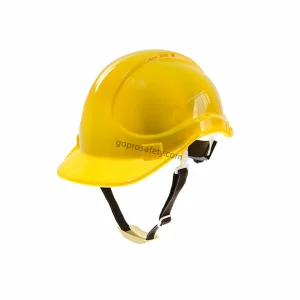
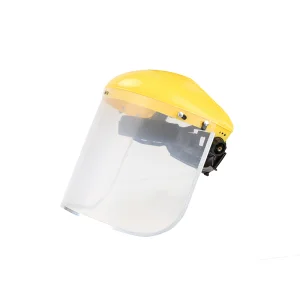
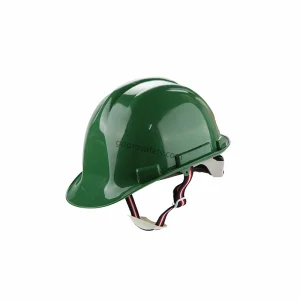
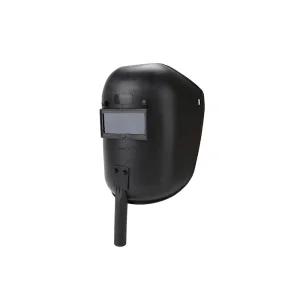
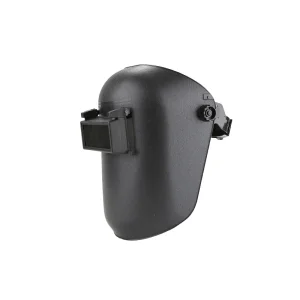
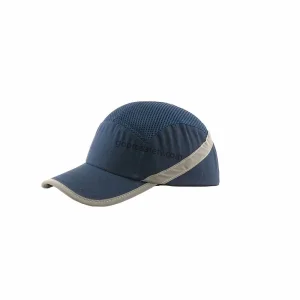
In the modern industrial paradigm, Respiratory Personal Protective Equipment (RPPE) has transcended basic utility. It is no longer just about particle filtration; it is about comprehensive occupational health integration. As a premier partner for global buyers, we understand that supply chain stability and compliance are as critical as the filtration efficiency of the masks themselves.
Global industrial standards are tightening. Organizations like NIOSH (US), CEN (EU), and ISO are continuously revising benchmarks to ensure that PPE—ranging from simple dust masks to complex respirators—provides adequate protection against specific chemical, biological, and radiological hazards. Customization, therefore, is the frontier: tailoring ergonomic design for specific facial structures and environments without compromising the PFE (Particulate Filtration Efficiency).
The roadmap for future RPPE development focuses on three pillars: Breathing Resistance Reduction, Material Bio-compatibility, and Smart Monitoring.
Moving away from legacy melt-blown fabrics, the industry is shifting toward nano-fiber composites that offer superior breathability while maintaining high BFE (Bacterial Filtration Efficiency).
One-size-fits-all is becoming obsolete. We are investing in data-driven design, utilizing global facial anthropometric data to create respirators that minimize leakage for a broader range of worker demographics.
Future prototypes include sensors that detect filter saturation, alerting workers when it is time to replace their respirator, thereby preventing exposure incidents.
Global procurement requires a deep understanding of local regulatory environments. Whether you are operating in the high-humidity construction sites of Southeast Asia or the strict manufacturing zones of Europe, your PPE must adhere to specific local certifications.
Our role is to bridge this gap. We ensure every batch is accompanied by relevant test reports, certificates of conformity, and technical datasheets, mitigating the risk of customs rejection and ensuring on-site safety compliance.
Customization involves mold adjustment or printing processes. Generally, for existing molds, turnaround is 15-20 days. For fully custom R&D projects, we recommend a roadmap of 45-60 days.
We implement a tiered Quality Control (QC) system. From raw material batch testing (using aerosol salt/oil generators) to inline visual inspections and final AQL (Acceptable Quality Limit) sampling before shipment.
Yes. Recognizing the need for pilots and market testing, we provide flexible MoQ (Minimum Order Quantity) structures for trial phases, which scale down in cost as volume increases.
 GoPro Safety