In the modern industrial landscape, Personal Protective Equipment (PPE) has shifted from a simple commodity to a mission-critical asset. For safety suppliers and global factories, providing "discount" PPE does not equate to sacrificing quality; rather, it represents the optimization of manufacturing efficiency, material science, and global supply chain logistics.
As global safety regulations like OSHA (USA), CE/EN (Europe), and GB (China) standards converge, the distinction between high-end and standard-tier equipment has blurred. Digital procurement platforms now allow factories in China to sell directly to distributors, bypassing multiple layers of intermediaries. This direct access is the primary driver behind "discount" pricing for high-quality industrial gear.
China remains the undisputed hub for PPE manufacturing. The "Efficiency Advantage" stems from:
Choosing the right PPE requires understanding the specific hazards of the work environment. Whether it's construction sites requiring high-impact helmets or chemical plants needing anti-fog splash protection, the "type" determines the survival rate of the workforce.
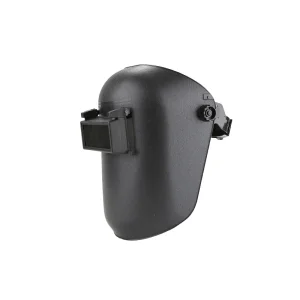
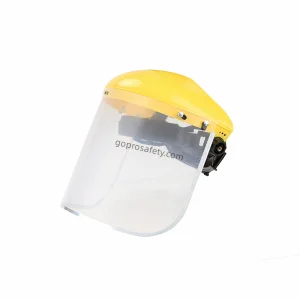
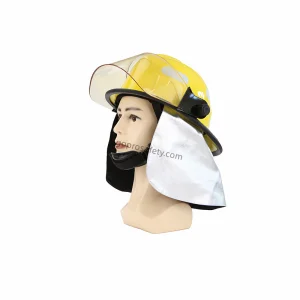
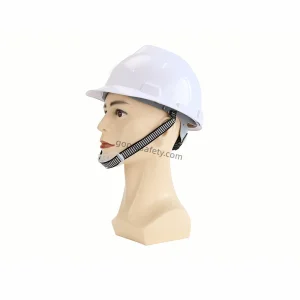
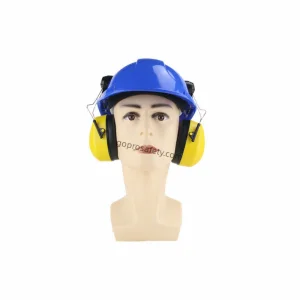
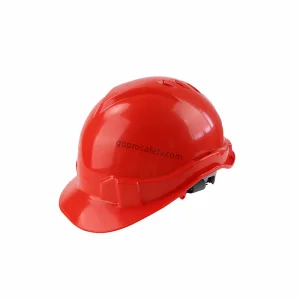
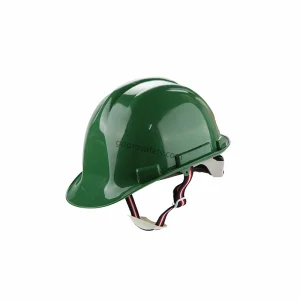
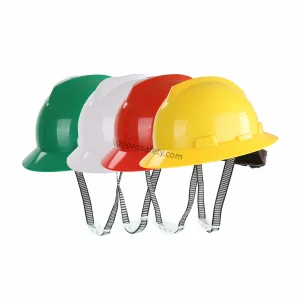
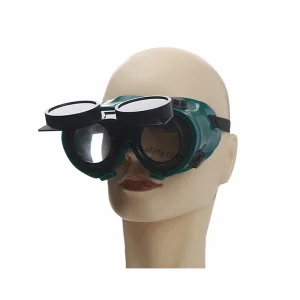
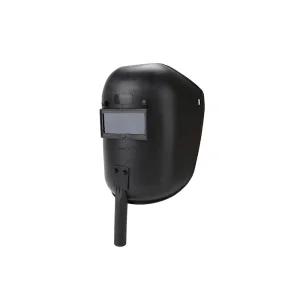
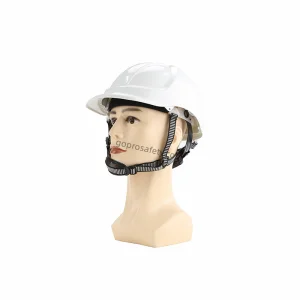
Modern helmets utilize HDPE materials with adjustable suspension systems, providing comfort for long-duration shifts. Welding shields and face shields are incorporating ergonomic flip-up designs to enhance productivity without removing gear.
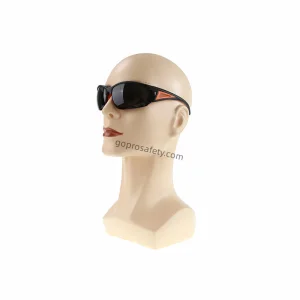
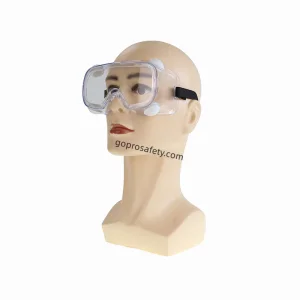
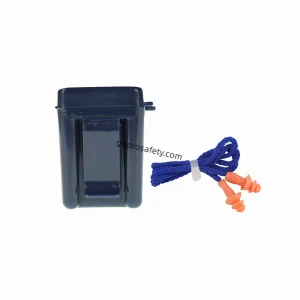
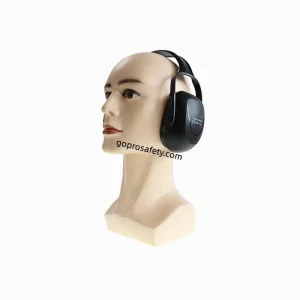
Noise-induced hearing loss is preventable with the right SNR-rated earplugs and earmuffs. Meanwhile, anti-fog and anti-scratch lens technology has revolutionized eye safety, ensuring visibility in humid or volatile environments.
Discount pricing often comes from economies of scale, factory-direct sourcing, and lean production methods, not poor material quality. When buying from certified factories, you are paying for the product, not the brand markup.
Always request valid CE (EN397 for helmets, EN166 for eyewear) or ANSI/ISEA test reports. A professional factory will willingly provide independent lab verification.
Yes. Many modern Chinese PPE factories have moved toward flexible MOQs (Minimum Order Quantities) to support branding for distributors and safety officers.
 GoPro Safety