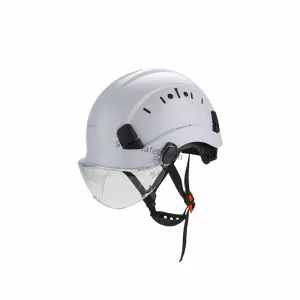
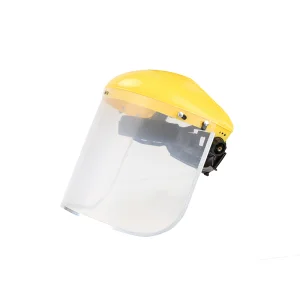
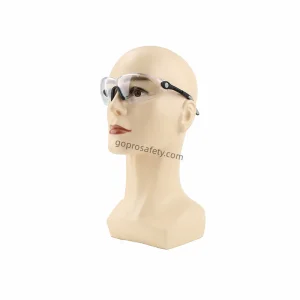
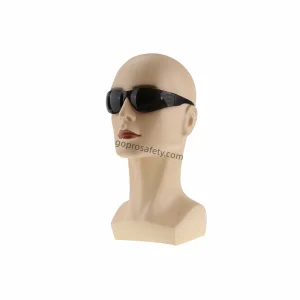
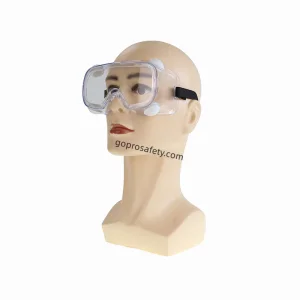
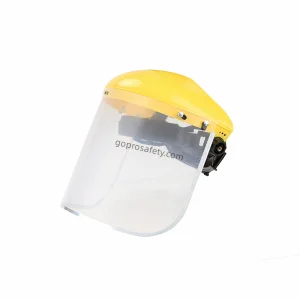
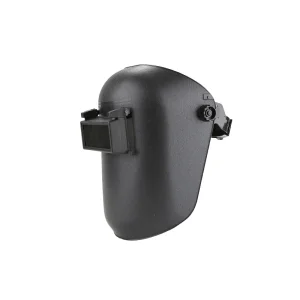
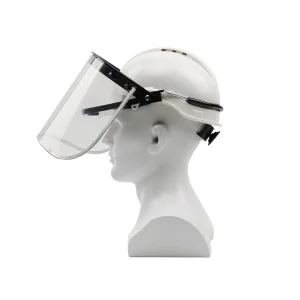
In modern chemical laboratories, Personal Protective Equipment (PPE) has transcended basic utility to become a sophisticated interface between human operators and hazardous environments. As researchers push boundaries in nano-chemistry and bio-engineering, the reliance on high-performance polymer visors and chemically resistant goggle seals has grown exponentially.
Global procurement teams are shifting focus from "cost-centric" to "value-based" sourcing. The primary driver is not merely the unit price but the E-E-A-T (Experience, Expertise, Authoritativeness, Trustworthiness) of the manufacturing partners. Suppliers now must demonstrate certifications (ANSI Z87.1, CE EN166) and provide transparent material safety data sheets (MSDS) to minimize liability. Companies are prioritizing "Full-Lifecycle Safety," where PPE is not just purchased, but audited for degradation over time.
China's "Factory 4.0" initiative has revolutionized the PPE manufacturing landscape. By integrating AI-driven quality control and automated production lines, leading Chinese factories are achieving unprecedented consistency. This is not just about throughput; it is about Supply Chain Resilience. With localized raw material sourcing and digitized logistics tracking, factories can now offer shortened lead times for high-volume custom PPE, ensuring that global research facilities are never left without essential protection during critical experiments.
We prioritize product performance, durability, and worker safety, ensuring each PPE product is suitable for real industrial environments.
We cooperate with experienced PPE factories in China to maintain stable capacity, consistent quality, and competitive lead times.
From logo branding and packaging customization to small trial orders and bulk shipments, we adapt to your procurement needs.
Each order follows defined inspection procedures and is prepared with proper packing, labeling, and export documentation.
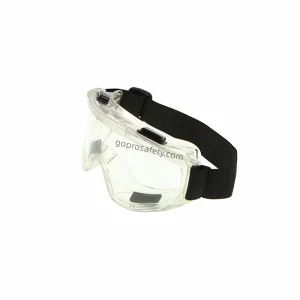
For chemical splash protection, goggles must meet the ANSI Z87.1 D3 rating (for splash) or EN 166 (specifically the '3' droplet protection rating). Always ensure they offer indirect venting to prevent liquid penetration while maintaining airflow.
Traceability ensures that the materials used (polycarbonate vs. acetate) meet rigorous chemical resistance standards, preventing catastrophic lens failure when exposed to solvents.
 GoPro Safety