Strategic Procurement Insights for Industrial Safety in Indonesia’s Capital
Jakarta, as the industrial and economic heart of Indonesia, is experiencing a robust expansion in sectors such as manufacturing, heavy construction, and logistics. With this growth, the occupational health landscape has shifted towards stricter compliance with international safety standards. For factory owners, project managers, and procurement officers in the Jabodetabek region (Jakarta, Bogor, Depok, Tangerang, and Bekasi), sourcing high-quality, reliable hearing protection is not merely a legal obligation—it is a critical investment in human capital.
Indonesia's industrialization drive, particularly in the manufacturing hubs of Cikarang and Karawang, has led to a surge in demand for Personal Protective Equipment (PPE). Noise-Induced Hearing Loss (NIHL) remains a primary concern in metal fabrication, textile manufacturing, and large-scale infrastructure projects. Our analysis suggests that local companies are increasingly moving away from cheap, uncertified alternatives, favoring products that offer verified NRR (Noise Reduction Rating) or SNR (Single Number Rating) performance, mirroring global safety protocols.
Why do global buyers, including those in Jakarta, rely heavily on Chinese manufacturers for their safety gear? It is a function of supply chain maturity. China has established a sophisticated manufacturing ecosystem that offers:
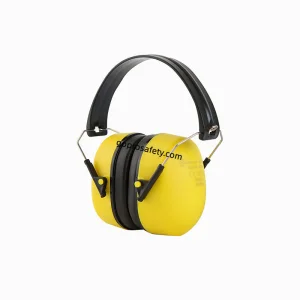
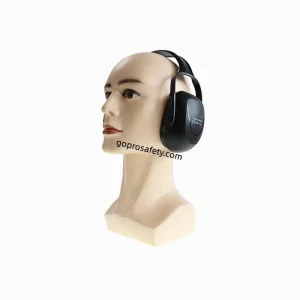
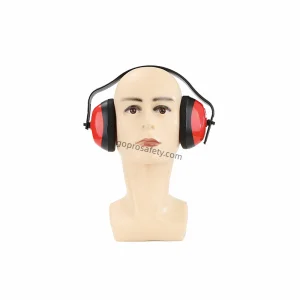
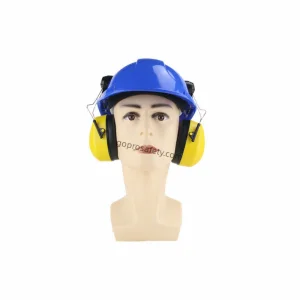
Modern earmuffs are integrating passive and active noise cancellation technologies. For environments with erratic loud noises, this ensures that communication is possible while shielding the ear from hazardous decibel spikes.
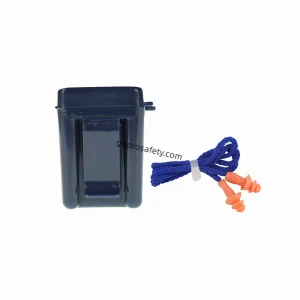
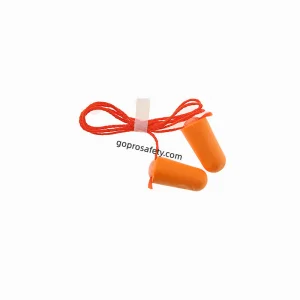
The trend is moving toward hypoallergenic silicone and memory foam, which reduce pressure on the head and ear canal, significantly increasing user compliance in tropical climates like Jakarta.
Purchasing agents often struggle with the trade-off between price and protection. However, in the context of Jakarta's tightening labor safety laws, "best price" should be defined by the "Total Cost of Ownership," which includes the product's lifespan, durability, and the prevention of workplace accidents. Effective procurement involves vetting suppliers for their ability to provide comprehensive export documentation, flexible OEM (Original Equipment Manufacturer) branding, and reliable logistics to Southeast Asia.
Q: What is the difference between NRR and SNR?
A: NRR (Noise Reduction Rating) is primarily used in the United States, while SNR (Single Number Rating) is the standard in Europe and many international markets, including Indonesia. Both measure the effectiveness of hearing protection, but they are calculated using different testing methodologies. Always check which standard your project requires.
Q: How do we ensure the quality of PPE imported from China?
A: Reputable manufacturers offer Third-Party Inspection (TPI) options and provide certification reports (e.g., CE/ANSI). It is vital to request sample testing and verify factory compliance with ISO standards before scaling orders.
Q: Can we customize packaging for the Indonesian market?
A: Yes. Many manufacturers provide OEM services, allowing you to include instructions in local languages and apply custom branding, which is essential for retail or internal distribution compliance.
 GoPro Safety