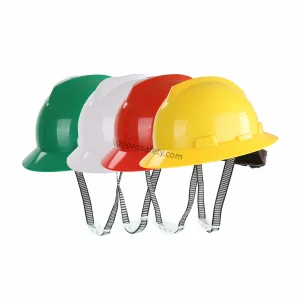
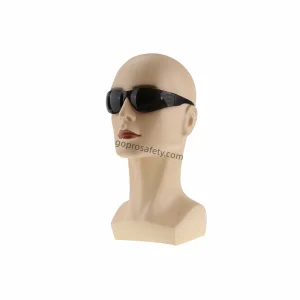
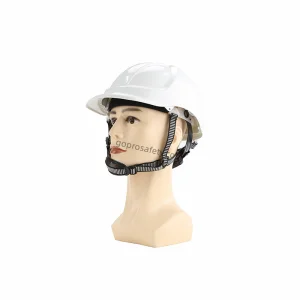
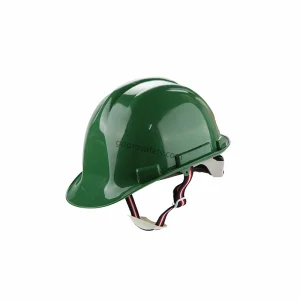
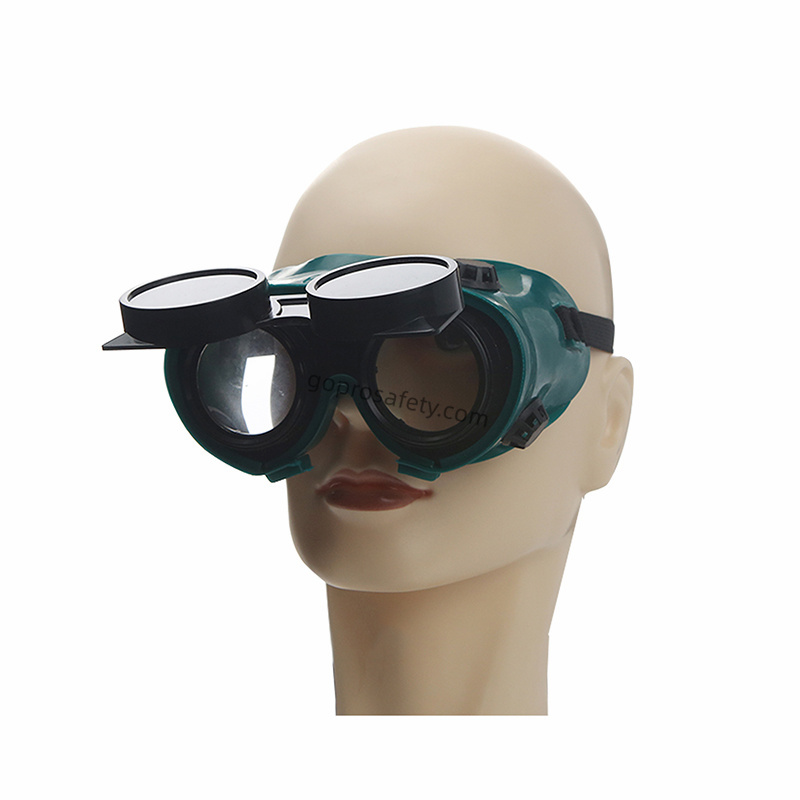
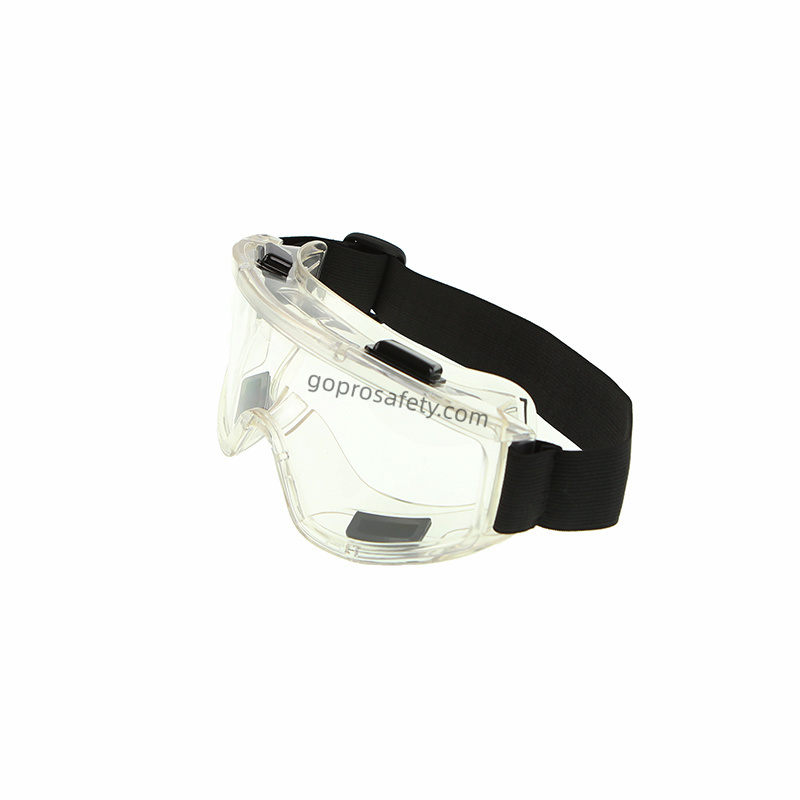
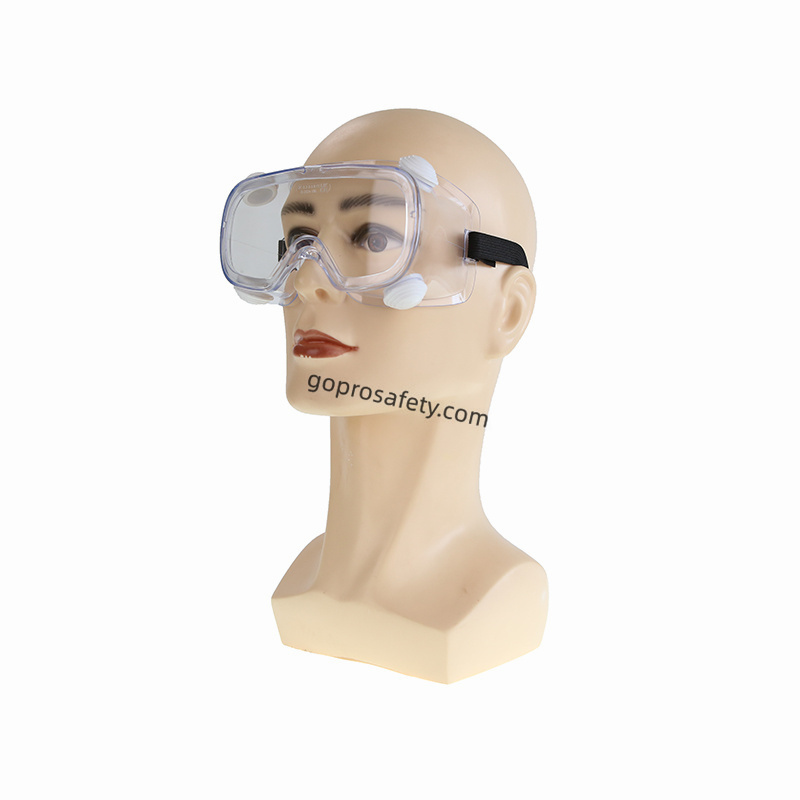
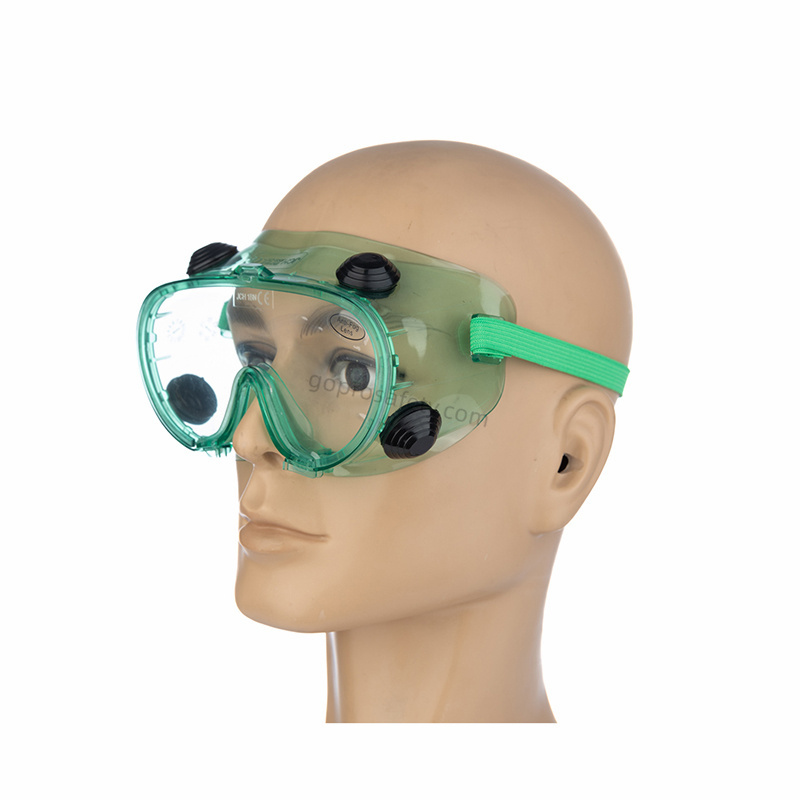
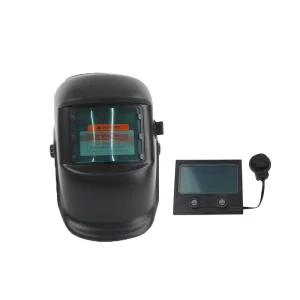
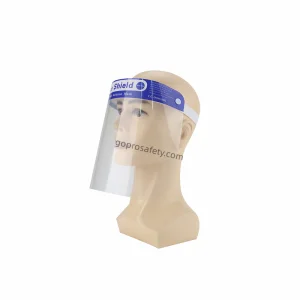
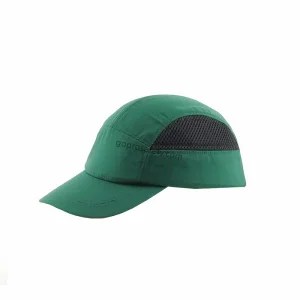
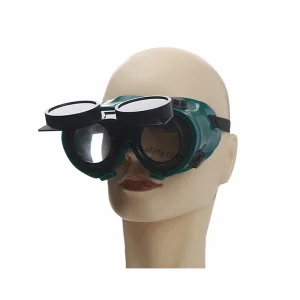
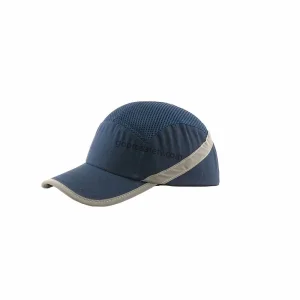
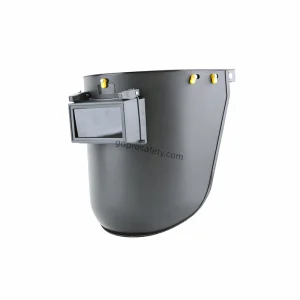
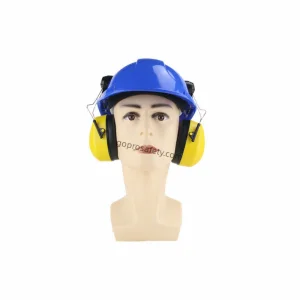
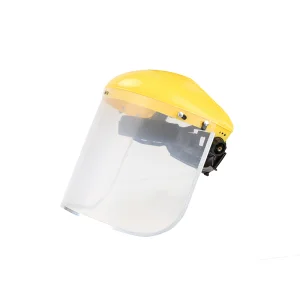
Explore our industrial safety gear engineered to comply with international standards, delivering maximum durability and reliable worker protection.
Working at height remains one of the primary contributors to occupational fatalities and severe injuries across major industries, including heavy construction, utility infrastructure, telecommunication systems, wind energy generation, and petrochemical manufacturing. Effective hazard mitigation requires more than standard off-the-shelf equipment; it demands engineered solutions that form a unified system of anchorage, body support, connection, and rescue options (the ABCD of fall protection). In modern regulatory climates, safety officers and procurement directors look to companies that do not simply manufacture equipment, but validate safety profiles through stringent quality assurance protocols, material advancements, and multi-regional standard certifications.
Modern fall protection systems function as highly integrated structural configurations. Standard components like full-body harnesses, self-retracting lifelines (SRLs), energy-absorbing lanyards, vertical lifelines, and anchorage connectors work in unison to manage kinetic forces generated during a fall event. Because the human body cannot withstand deceleration impacts exceeding critical thresholds without permanent trauma, modern PPE utilizes high-tech polymer webbing, advanced synthetic sewing configurations, and custom deceleration packs. This allows the system to disperse fall energy safely, preventing orthopedic damage and suspension trauma during the critical minutes leading up to extraction.
The global fall protection industry is undergoing a structural shift driven by digital integration and materials science. Historically, components like steel D-rings and polyester webbing formed the baseline of passive equipment. Today, the technological roadmap features three primary pillars: lightweight structural metals, smart sensor integration, and enhanced ergonomics designed to reduce worker fatigue.
Lightweight High-Tensile Metallurgy: Manufacturers are increasingly swapping carbon steel hardware for aircraft-grade aluminum and specialized alloys. This reduction in component weight reduces harness load burden without sacrificing minimum breaking strength (MBS) parameters, which typically exceed 22.2 kN (5,000 lbs) for structural anchorage points.
IoT-Enabled Smart Harnesses: The integration of real-time monitoring devices within fall protection webbing represents the next frontier. Embedded sensors can track harness fit, monitor the condition of load-bearing threads through optical fibers, and detect when a fall event occurs. These smart systems immediately broadcast GPS-coordinated alerts to on-site rescue teams, minimizing rescue lag and addressing suspension trauma vulnerability.
Webbing and Ergonomic Advancements: Research into high-density polyethylene (HDPE) and para-aramid fibers has resulted in webbing that is highly resistant to heat, chemical corrosion, and weld spatter. Furthermore, structural design configurations now include specialized leg loop positioning and breathable padding layouts to reduce pressure on the femoral arteries in the event of prolonged post-fall suspension.
Adherence to global standards like ANSI, CE, and OSHA ensures that materials and components withstand target deceleration impact values under extreme conditions.
Adopting premium aluminum alloys and high-density polymer blends reduces the system payload weight while maintaining maximum tensile strength.
Telemetry-equipped connections automatically transmit status alerts during fall incidents, accelerating emergency response and rescue cycles.
Fall safety requirements vary significantly across different industrial sectors. A system configured for commercial roofing may not be suitable for off-shore drilling platforms or electrical transmission towers. Enterprise-level safety policies demand custom application strategies:
Global trade and logistics require PPE manufacturers to align with diverse testing and compliance systems. The primary standards organizations include OSHA (Occupational Safety and Health Administration) in the United States, ANSI/ASSP Z359 for North American product testing, EN standards (such as EN 361, EN 358, and EN 360) across Europe, and AS/NZS in Australia. The best fall protection PPE companies maintain in-house, ISO 17025-accredited testing laboratories, ensuring that every batch of raw webbing, impact absorber, and steel connector undergoes physical performance mapping before shipping.
Compliance also requires robust documentation. Sourcing professionals must verify that their suppliers provide comprehensive certificates of conformity, traceable batch numbers, and instruction manuals in the local language of the end-user. Under standard quality-assurance protocols, fall protection equipment must be fully traceable back to its raw material source, guaranteeing that the high-tensile yarns, metal stampings, and polymer chemical formulations used in production are fully documented.
At GoPro Safety, we focus on making PPE sourcing from China simpler, more reliable, and more efficient for global buyers.

We prioritize product performance, durability, and worker safety, ensuring each PPE product is suitable for real industrial environments.

We cooperate with experienced PPE factories in China to maintain stable capacity, consistent quality, and competitive lead times.

From logo branding and packaging customization to small trial orders and bulk shipments, we adapt to your procurement needs.

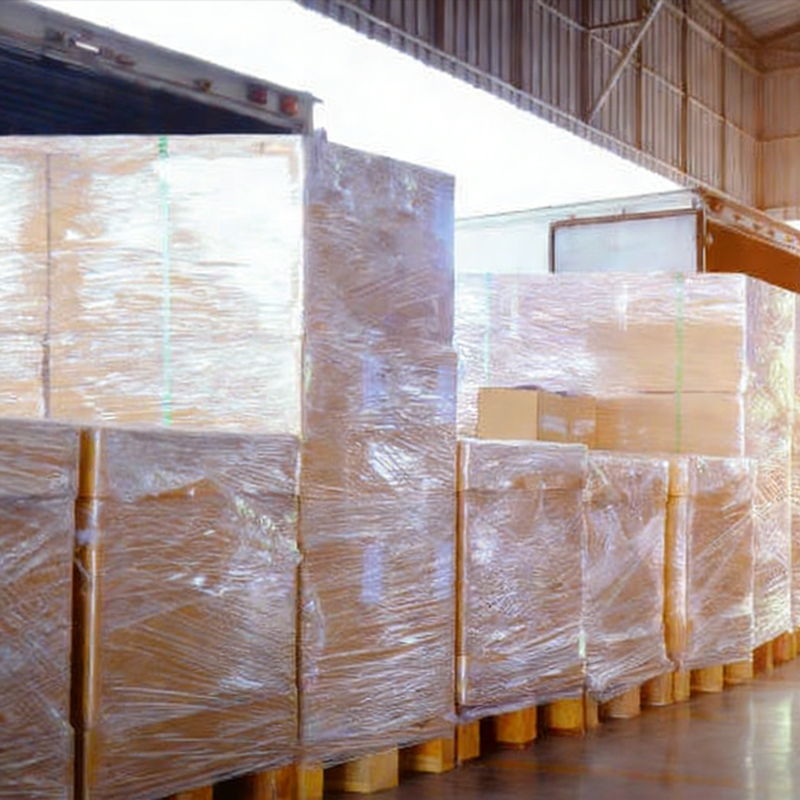
Each order follows defined inspection procedures and is prepared with proper packing, labeling, and export documentation.
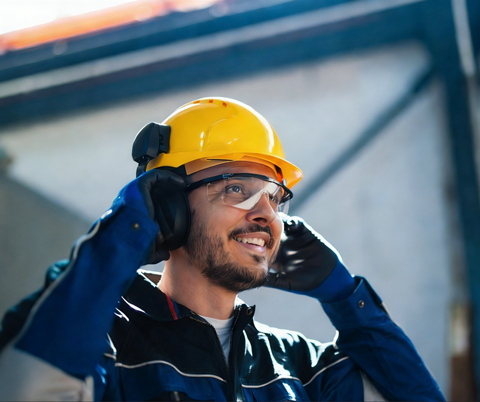
GoProSafety is a professional personal protective equipment (PPE) supplier based in China, supporting global buyers with reliable safety products and responsible sourcing solutions. We focus on long-term cooperation, transparent communication, and consistent quality — not just competitive prices.
By combining local manufacturing capacity with strict quality control, we ensure our global partners receive safety equipment that matches their technical and regulatory requirements. Our goal is to streamline the sourcing process while maintaining the highest safety standards.
Each order follows defined inspection procedures and is prepared with proper packing, labeling, and export documentation.
Our Quality Assurance (QA) team monitors production from raw material selection through to packaging and shipment loading. We maintain comprehensive documentation for all exported products, ensuring seamless customs clearance and complete traceability for the end-user.
The manufacturing infrastructure in China has transitioned from high-volume assembly to automated, precision-engineered manufacturing. Factory 4.0 integrations deploy computerized sewing machines, programmable automated web looms, robotic stitch validation scanners, and computerized tensile testers. These advanced production methods minimize human error during the assembly of load-bearing safety components.
This industrial transition offers two key advantages for global sourcing partners: supply chain resilience and cost efficiency. With access to localized raw material clusters—spanning high-strength polymers, specialized steel stampings, and custom hardware mills—production times are tightly controlled. Automated manufacturing also ensures consistent stitching patterns and metal tolerances, which are critical for equipment designed to prevent fatal injuries at height.
Enterprise procurement professionals look for suppliers that can meet dynamic regulatory, logistical, and operational requirements. Key procurement criteria include:
We ensure a smooth sourcing experience from initial inquiry through to final delivery and after-sales support.
At GoPro Safety, we focus on making PPE sourcing from China simpler, more reliable, and more efficient for global buyers.
Technical answers to common questions about industrial height safety systems, testing standards, and compliance.
For inquiries about our products or pricelist, please leave your message and we will be in touch within 24 hours.
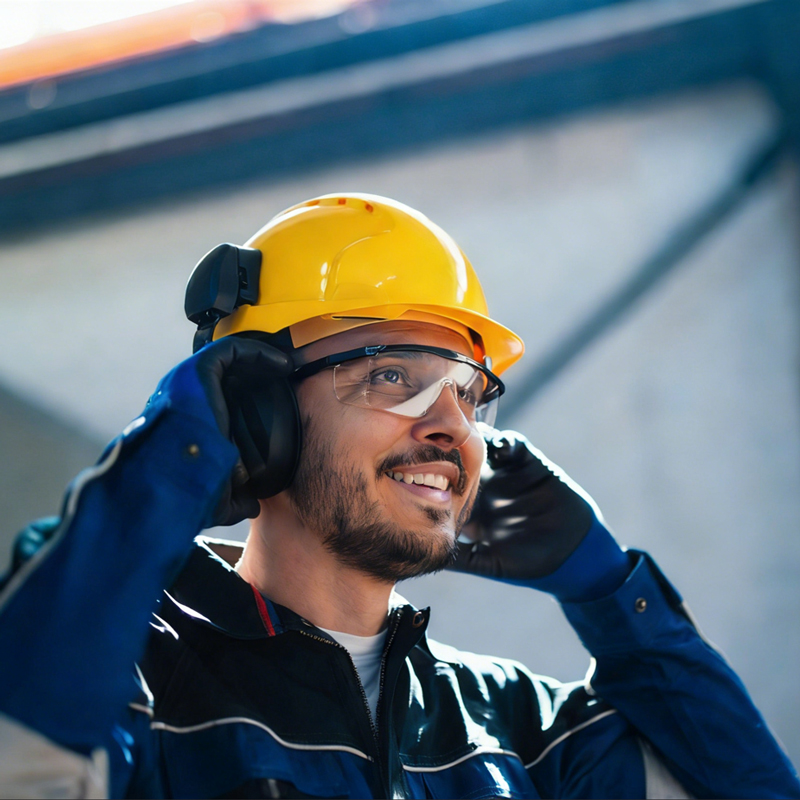
Subscribe / Get in touchA comprehensive range of eye, head, and hearing protection designed to meet rigorous industrial safety specifications.


 GoPro Safety