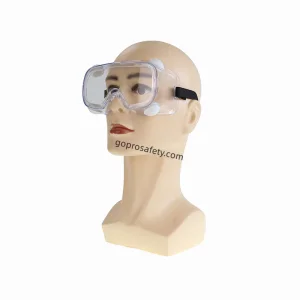
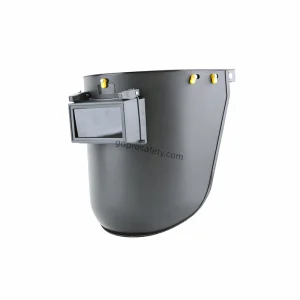
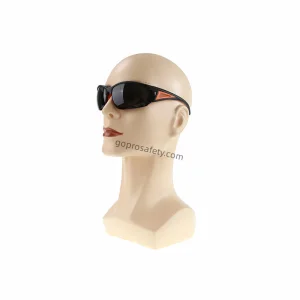
Sourcing personal protective equipment (PPE) for complex industrial operations demands a precise alignment with strict international safety frameworks. The European Union's PPE Regulation (EU) 2016/425 classifies equipment into three distinct risk categories, representing the level of protection required. For fall arrest equipment, high-altitude systems, and advanced head-impact protection, compliance with Category II and Category III standards is a legal prerequisite for entering the European Economic Area (EEA).
Under the Scope of Category III: Category III encompasses protection against risks that may cause very serious consequences, such as permanent health damage or fatality (e.g., falls from heights). For manufacturers and suppliers, securing CE certification involves Notified Body intervention. This includes EU Type-Examination (Module B) paired with either Module C2 (production control with supervised testing) or Module D (quality assurance of the production process).
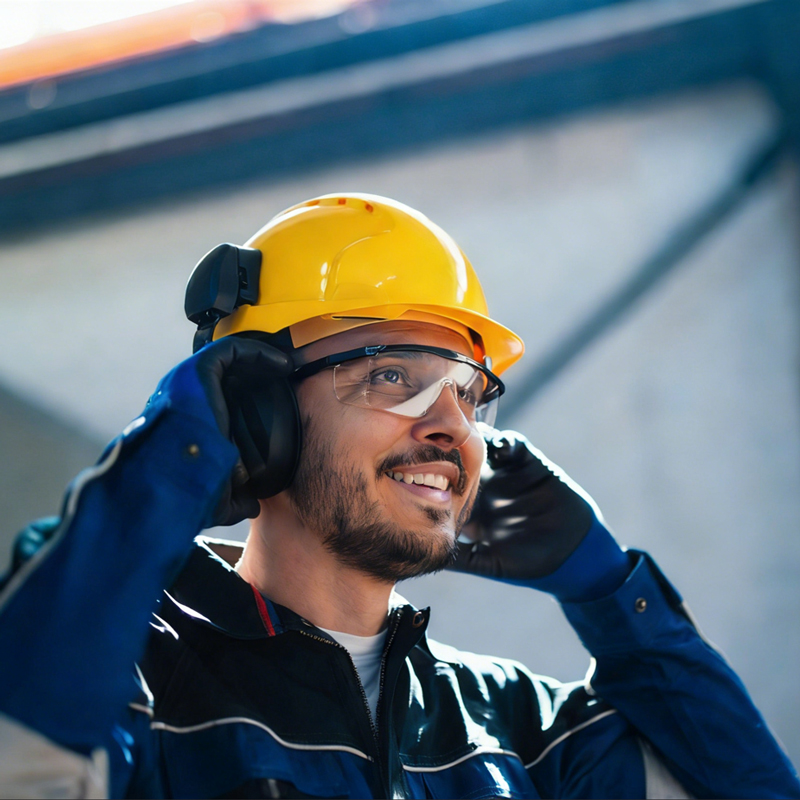
In high-altitude environments, a single fall represents critical risk. A fall safety strategy does not rely solely on harnesses (EN 361) and energy absorbers (EN 355); it is integrated into a complete equipment ecosystem, including high-impact climbing safety helmets (EN 12492) and optical protection (EN 166). Without strict CE testing for industrial safety helmets and splash-protective safety goggles, workers remain vulnerable to secondary impact forces and airborne chemical hazards. Understanding the testing protocols and physical performance requirements of safety equipment remains a top priority for global procurement officers.
We prioritize product performance, durability, and worker safety, ensuring each PPE product is suitable for real industrial environments.

We cooperate with experienced PPE factories in China to maintain stable capacity, consistent quality, and competitive lead times.

From logo branding and packaging customization to small trial orders and bulk shipments, we adapt to your procurement needs.

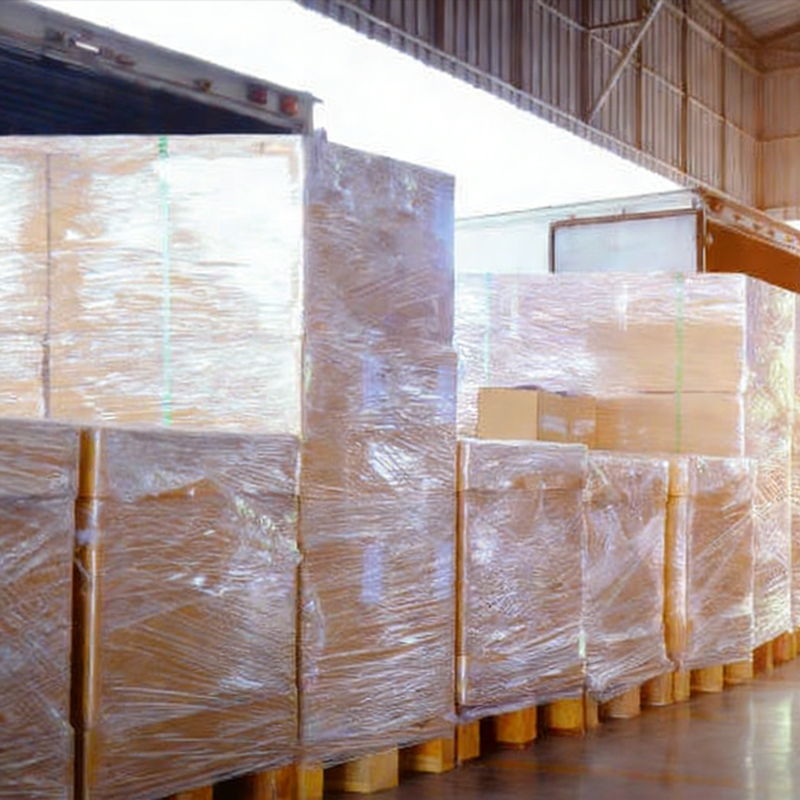
Each order follows defined inspection procedures and is prepared with proper packing, labeling, and export documentation.

Industrial protection requirements vary significantly across global geographic locations, harsh climates, and local regulations. The application of certified safety gear spans multiple sectors:
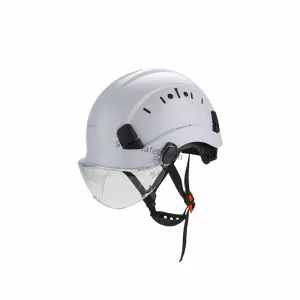
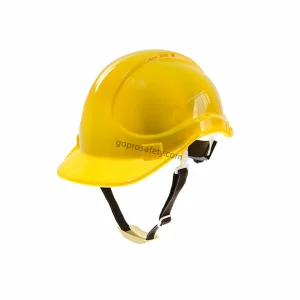
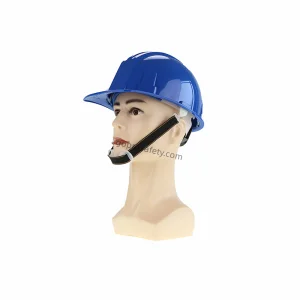
Wind turbine technicians operating at heights up to 150 meters face high wind velocities and extreme UV exposure. Head protection requires double-certified helmets conforming to both EN 397 (shock absorption and penetration resistance) and EN 12492 (climbing-safety standards, featuring a high-retention chinstrap engineered to withstand over 500 N force to prevent loss during fall acceleration).
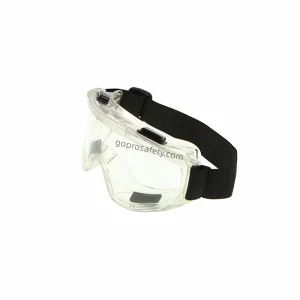
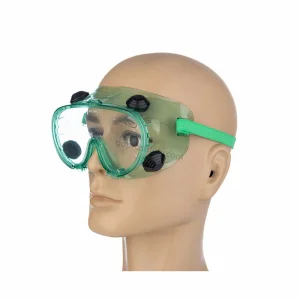
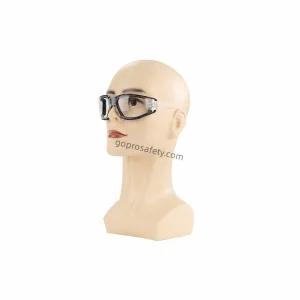
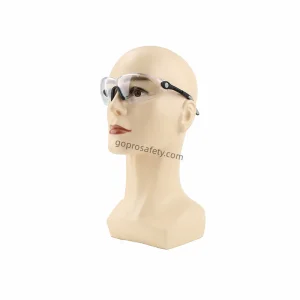
Corrosive, saline environments present challenging conditions. Safety glasses must feature high-performance anti-fog (N-mark) and anti-scratch (K-mark) coatings under EN 166. Additionally, chemical splash goggles must provide indirect ventilation systems to prevent penetration by volatile organic compounds while keeping the optical field clear.
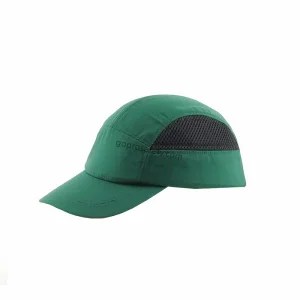
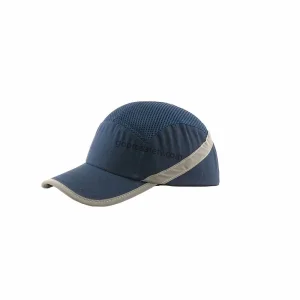
Sourcing lightweight mesh vent bump caps matching EN 812 ensures that plant engineers are protected against static, hard structures without the weight profile of standard safety helmets, preventing neck fatigue over long shifts.
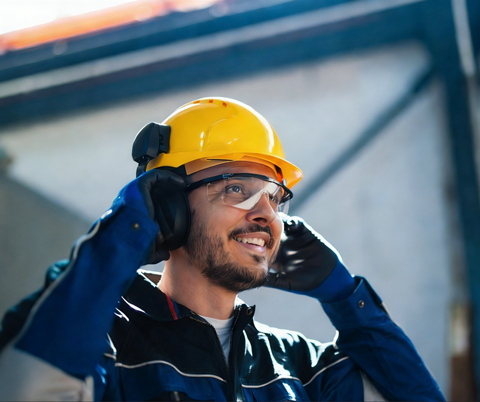
GoProSafety is a professional personal protective equipment (PPE) supplier based in China, supporting global buyers with reliable safety products and responsible sourcing solutions. We focus on long-term cooperation, transparent communication, and consistent quality — not just competitive prices.
As the industrial world integrates AI and smart sensors, the PPE industry is entering a new generation of connectivity. Safety equipment is evolving from passive physical barriers into active, data-driven systems.
Transitioning from traditional High-Density Polyethylene (HDPE) to carbon-fiber-infused Acrylonitrile Butadiene Styrene (ABS). This minimizes the weight of protective helmets while improving structural impact energy absorption at temperatures below -30°C.
Deploying RFID tag integration directly into safety helmets, climbing gear, and safety glasses. This allows automated compliance checking and real-time wear status updates at entry gantries on high-risk job sites.
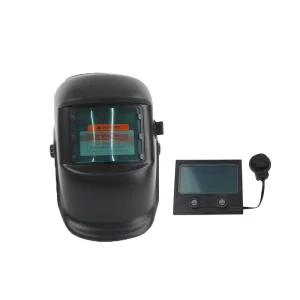
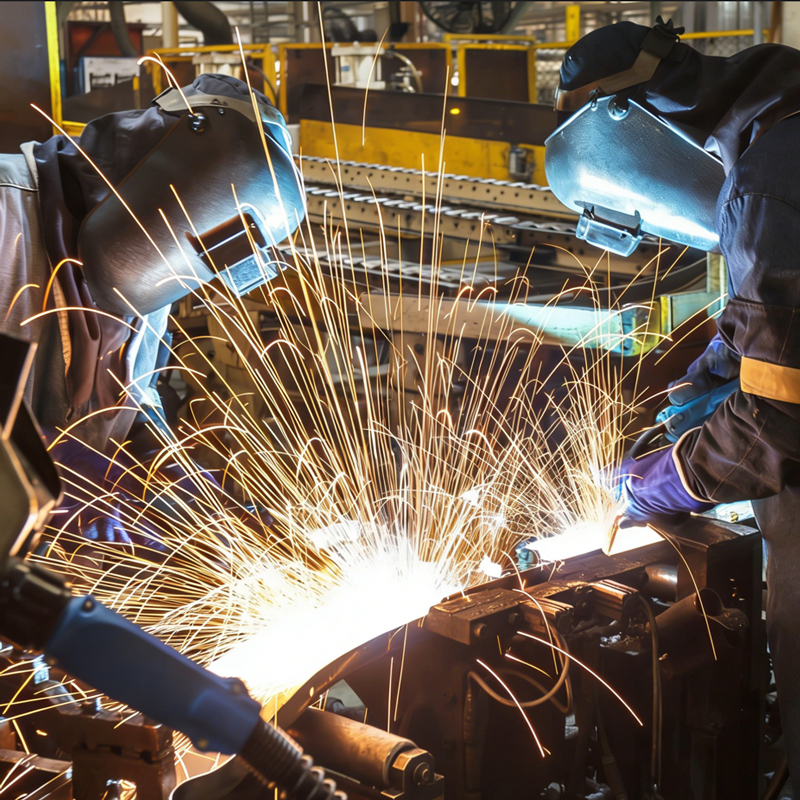
Auto-darkening welding helmets utilizing high-performance liquid crystal displays. Featuring shade level variations (DIN 9-13) and fast switching speeds (1/25,000s) to protect welding technicians from optical arc damage.
Decentralized manufacturing often faces supply chain risks. GoProSafety coordinates production within China's primary industrial safety manufacturing clusters to deliver predictable, reliable procurement options.
Our supply chain model balances efficiency with strict quality control. From raw material input (injection molding grade ABS, polycarbonate optical sheets) to automated assembly and testing, we maintain transparent control. Chinese factory clusters offer quick access to raw materials, minimizing raw material logistics delays. For global procurement officers, this setup delivers consistent volume outputs, cost efficiency, and short response times during sudden global supply fluctuations.
Quality Assurance & Export Readiness: We establish clear pre-shipment inspections. This involves drop tests for safety helmets, optical distortion checks for safety goggles, and tensile testing for chin straps. All shipments are accompanied by EU Declarations of Conformity (DoC), clear packaging lists, and localized labeling compliance.
Step 1. Inquiry & Requirement
Step 2. Recommendation & Quote

Step 3. Sample Confirmation
Step 4. Production & Quality Control
Step 5. Packing & Global Delivery
For inquiries about our products or pricelist, please reach out. We will get in touch within 24 hours to discuss your specifications and volume discounts.
 GoPro Safety