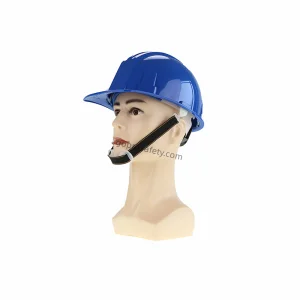
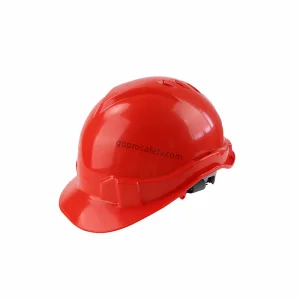
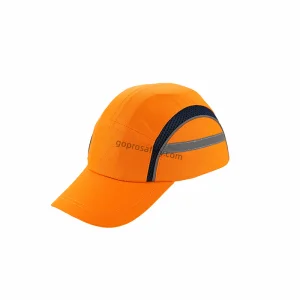
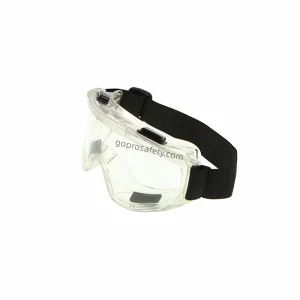
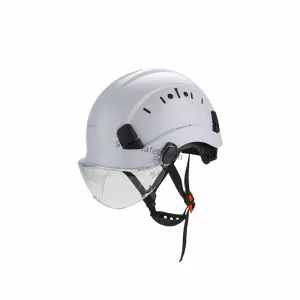
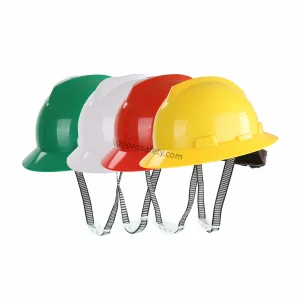
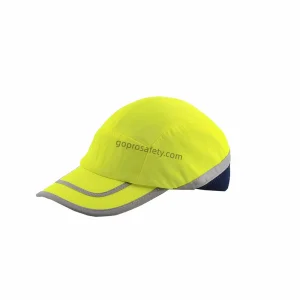
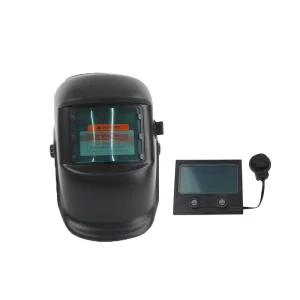
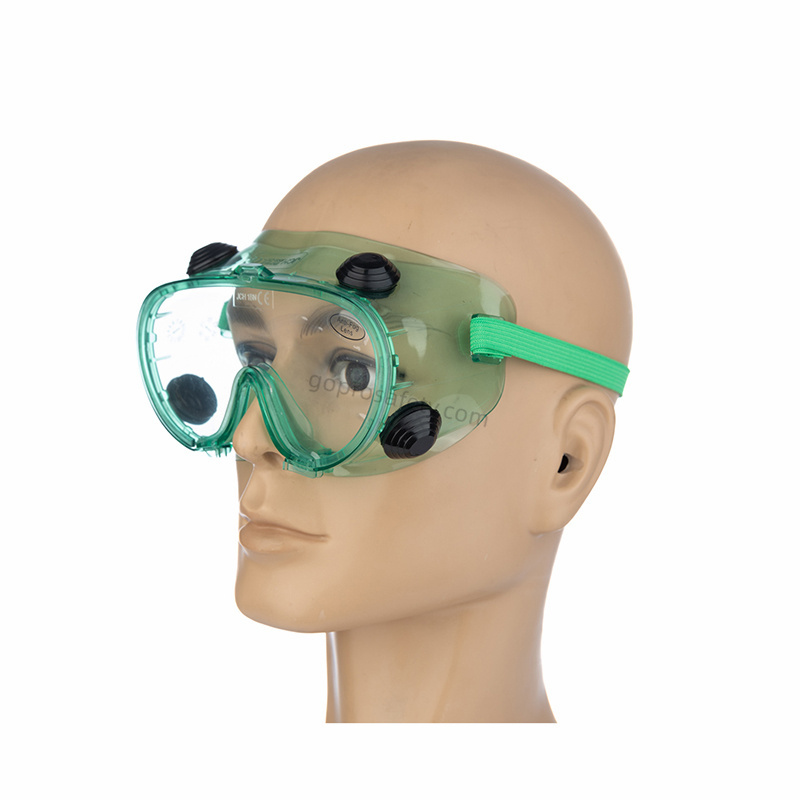
Explore our premium grade personal protective equipment engineered for industrial utility, electrical protection, and high-risk operations.
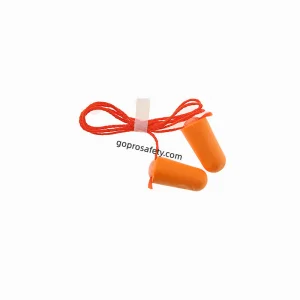
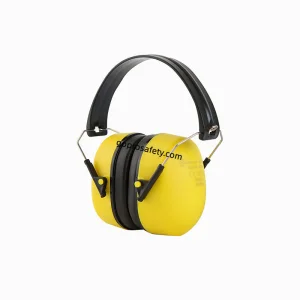
At GoPro Safety, we focus on making PPE sourcing from China simpler, more reliable, and more efficient for global buyers through strict quality parameters.

We prioritize product performance, durability, and worker safety, ensuring each PPE product is suitable for real industrial environments.

We cooperate with experienced PPE factories in China to maintain stable capacity, consistent quality, and competitive lead times.

From logo branding and packaging customization to small trial orders and bulk shipments, we adapt to your procurement needs.

Each order follows defined inspection procedures and is prepared with proper packing, labeling, and export documentation.

GoProSafety is a professional personal protective equipment (PPE) supplier based in China, supporting global buyers with reliable safety products and responsible sourcing solutions. We focus on long-term cooperation, transparent communication, and consistent quality — not just competitive prices.
Read More About Our StandardAn in-depth analysis of critical material science, regulatory compliance, and thermal stress parameters governing structural and wildland firefighting protective equipment.
Global fire safety departments, municipal emergency responders, and heavy industrial facilities face severe challenges. When sourcing firefighter Personal Protective Equipment (PPE), procurement entities must balance high levels of physical protection with physical ergonomics to prevent cardiovascular stress—the leading cause of on-duty injuries. As an established ODM developer, we address this dual pressure by redesigning protective layers with lightweight, high-performance fibers.
Our global sourcing division reports a dramatic rise in demand for highly customized, EN 469 compliant turnout suits in South America, Southeast Asia, and Eastern Europe. These markets require custom sizing, localized reflective markings, and integrated harness configurations, which standard manufacturer templates cannot accommodate. Our ODM system acts as a bridges, matching customized regional requirements with optimized high-speed manufacturing lines.
Information Gain Metric: Heat stress accounts for approximately 44% of firefighting duty deaths. By reducing fabric weight while maintaining thermal thresholds, next-generation ODM designs significantly reduce metabolic strain.
Structural turnout gear is not a single fabric shell but a precision-engineered three-stage barrier system. Below is a detailed technical breakdown of each layer, demonstrating our material configuration capabilities:
Designed to resist direct flame impingement, mechanical tearing, and thermal degradation. We utilize high-strength aramid fiber blends (such as Nomex® and Kevlar® combined with carbon core filaments) to enhance structural stability under extreme heat. These fabrics feature ripstop grids and Durable Water Repellent (DWR) surface treatments to prevent water retention, which would otherwise convert to steam under intense radiant energy.
The middle layer must block water, fire combustion liquids, and viral pathogens while allowing human sweat to escape. Our ODM designs implement expanded polytetrafluoroethylene (ePTFE) membranes laminated to a meta-aramid base weave. This system achieves a high Total Heat Loss (THL) rating, maintaining a vapor-open channel while showing high resistance to hydrostatic head pressure.
The interior layer blocks radiant heat transfer. We utilize needle-punched non-woven aramid batting layers stitched to smooth aramid facecloths. This configuration creates micro-pockets of trapped air, providing high Thermal Protective Performance (TPP) ratings without adding unnecessary bulk or restricting joints.
| Layer System | Key Materials | Primary Standards | Performance Metric |
|---|---|---|---|
| Outer Shell | Nomex® / Kevlar® / PBI / Ripstop Aramid | EN 469 / NFPA 1971 | Flame Spread < 2s, Tensile Strength > 1000N |
| Moisture Barrier | ePTFE Laminated on Meta-Aramid Substrate | ISO 16604 / EN 20811 | Hydrostatic Resistance > 20 kPa, Breathability (Ret < 30) |
| Thermal Barrier | Multi-layered Aramid Felt & Facecloth | ISO 9151 / ASTM F2700 | TPP Rating > 35 cal/cm² (with Spacer Tech > 45) |
Navigating different international standards is vital for successful safety imports. At GoProSafety, we ensure that every ODM specification meets target market requirements:
Our ODM development process supports tailored adjustments to meet regional departmental preferences. This includes specialized utility pocket layouts, integrated rescue drag harnesses (DRD), reinforced knee/elbow panels using silicone-coated aramid fabrics, and customizable pocket structures for communication modules.
Min Order Quantity (MOQ): Flexible based on raw materials (Standard MOQ starts at 50 sets for custom turnout configurations).
Testing Protocols: Certified by international third-party labs (SGS, SATRA, BTTG).
Developing non-PFAS water-repellent coatings to comply with EU and US environmental safety laws.
Integrating heat-resilient RFID chips and temperature tracking sensors into internal liners.
Utilizing micro-wicking aramid fibers to improve cooling and moisture dissipation under heavy workloads.
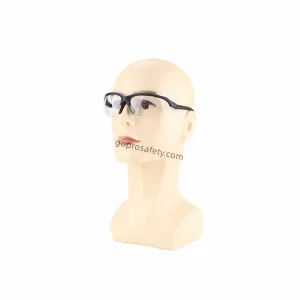
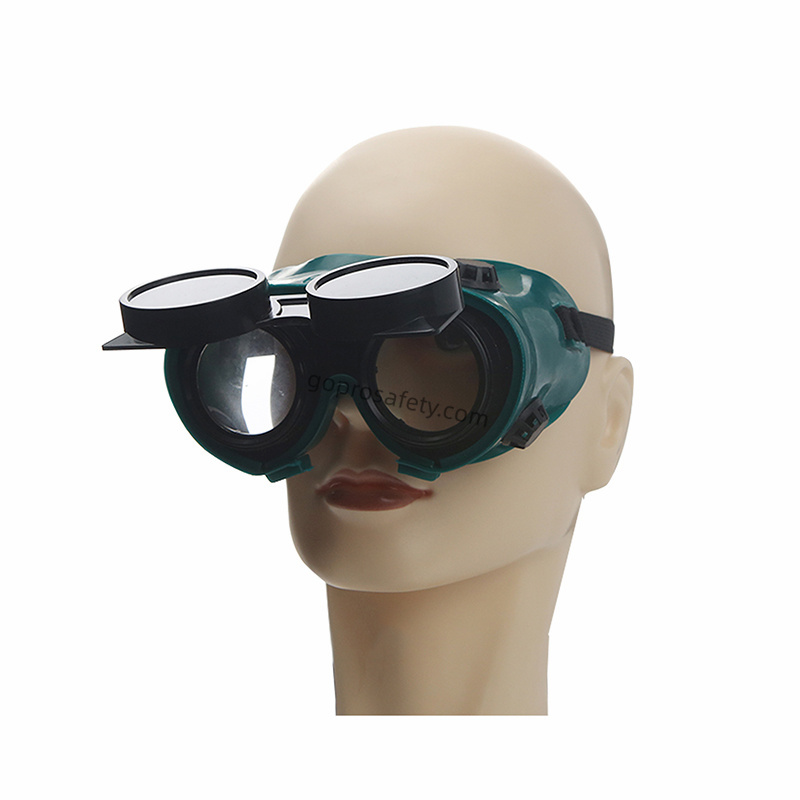
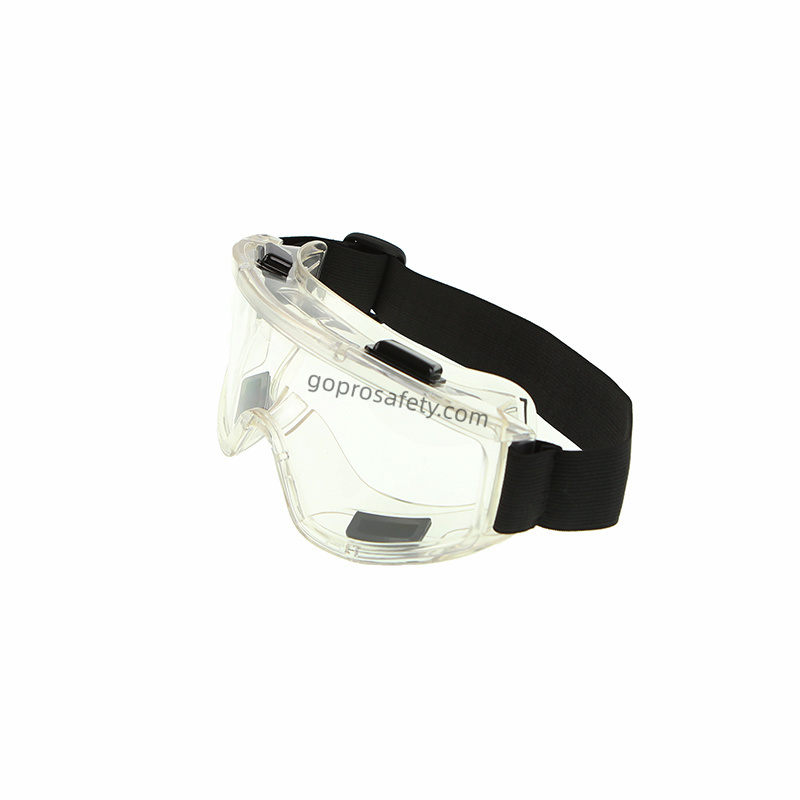
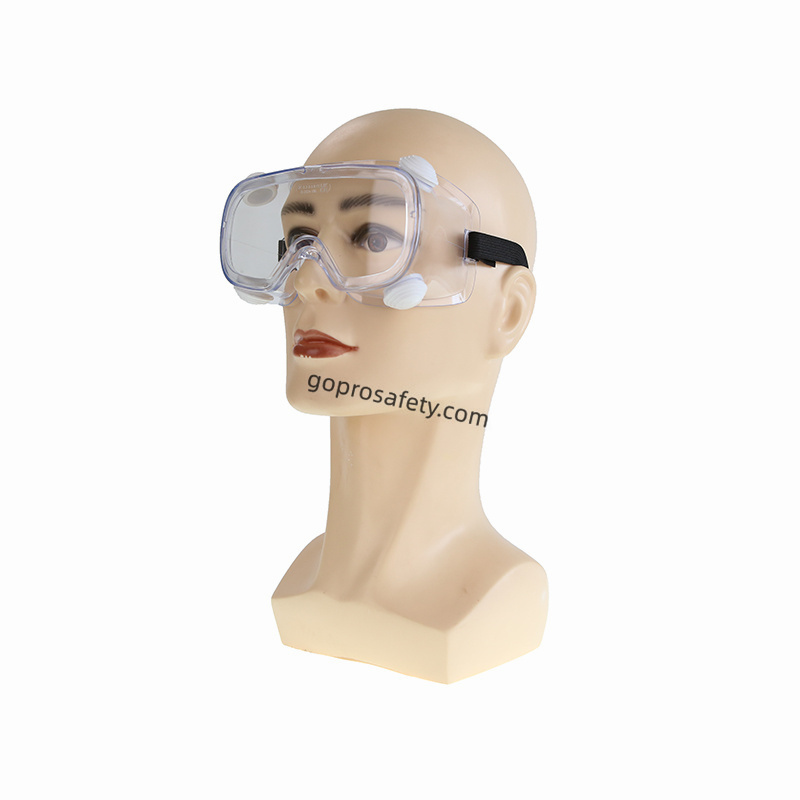
Explore our industrial safety gear line, featuring heat-resistant shields, auto-darkening welding helmets, and protective safety goggles.
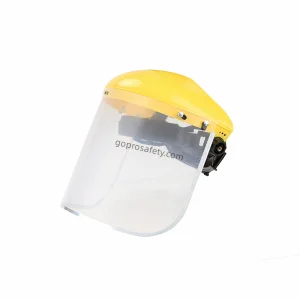
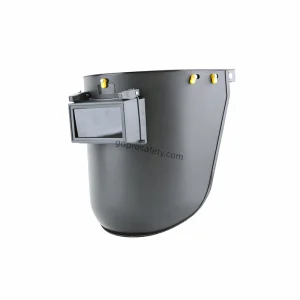
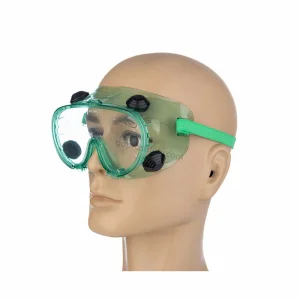
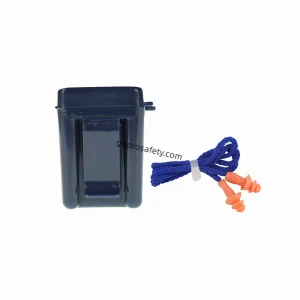
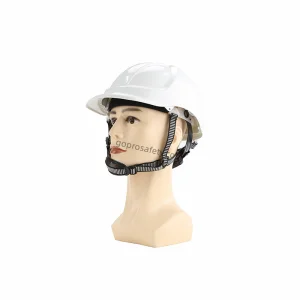
Each order follows defined inspection procedures and is prepared with proper packing, labeling, and export documentation to guarantee zero-risk customs clearance globally.
At GoPro Safety, we focus on making PPE sourcing from China simpler, more reliable, and more efficient for global buyers. Explore our key respiratory and ocular safety range below:
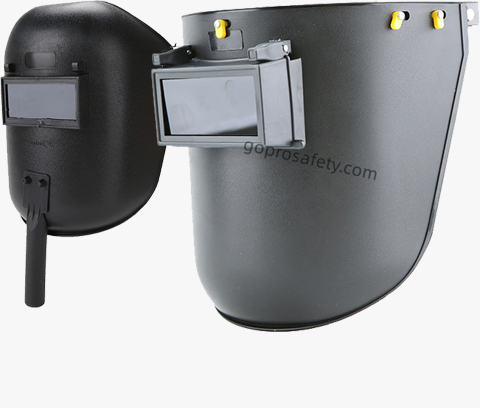
Step-by-step systemic manufacturing flow ensuring complete order compliance, testing, and delivery logistics.


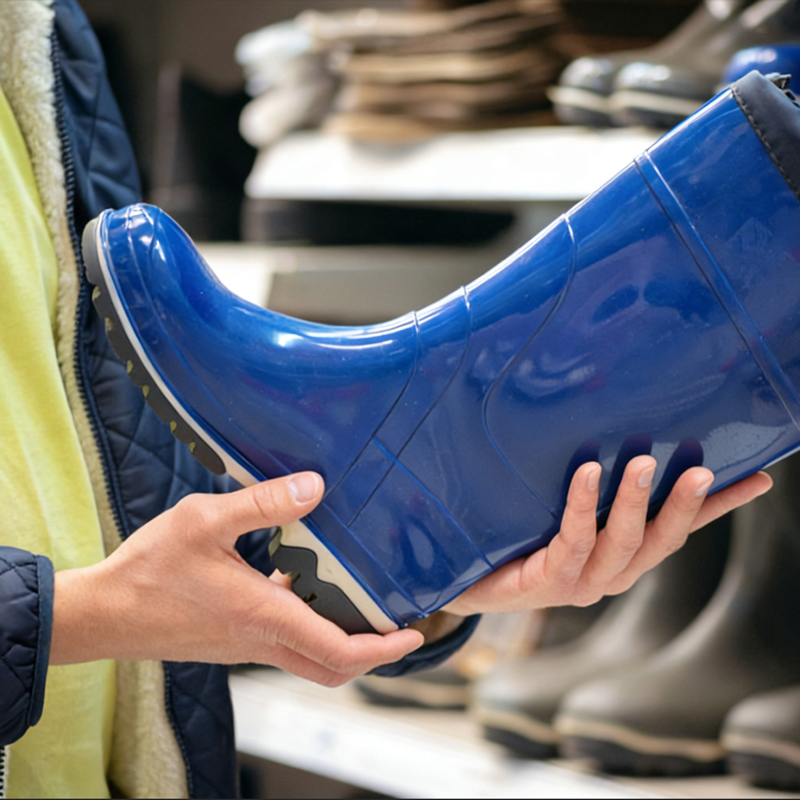
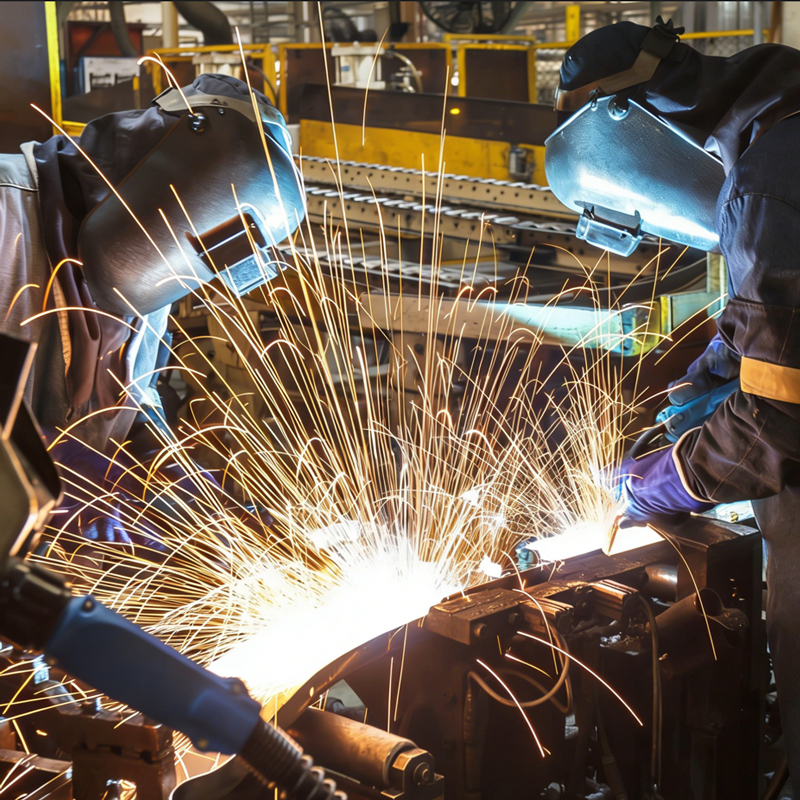
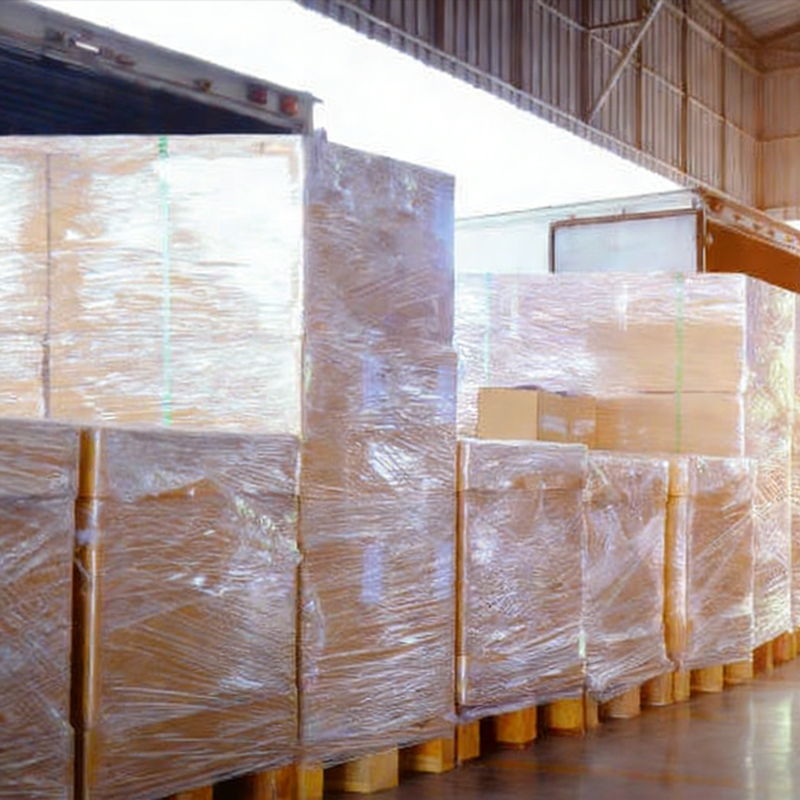
Expert answers addressing materials, certifications, testing methods, and global procurement procedures for heavy protective gear.



 GoPro Safety