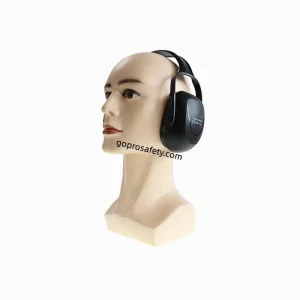
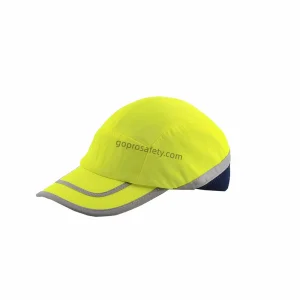
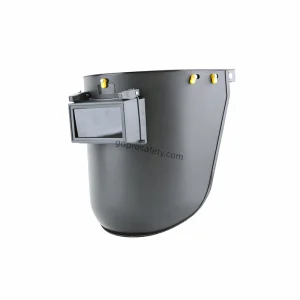
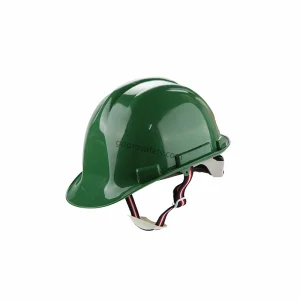
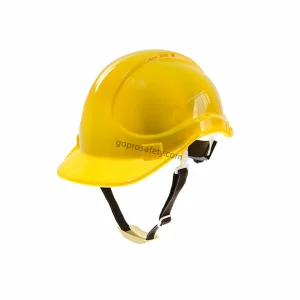
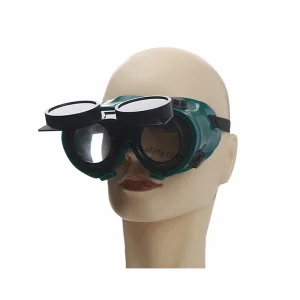
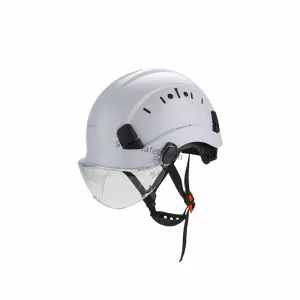
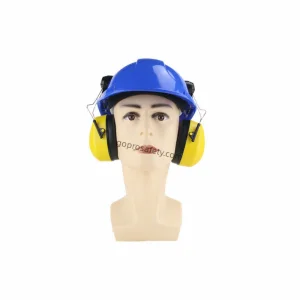
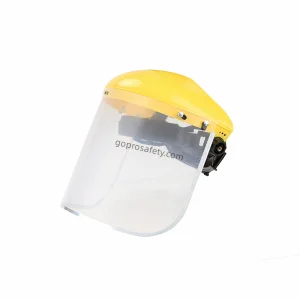
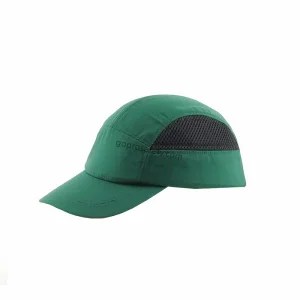
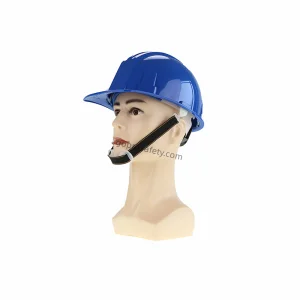
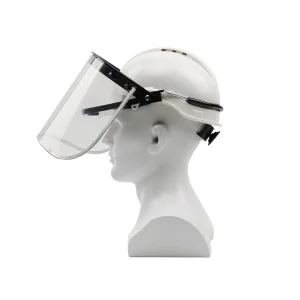
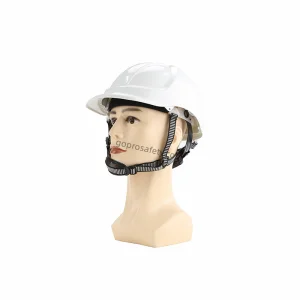
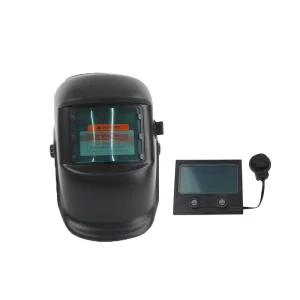
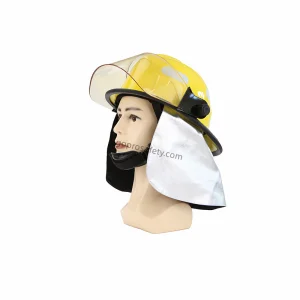
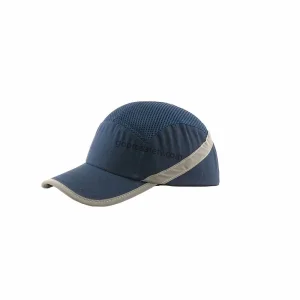
In the modern era of research and development, the definition of laboratory safety has evolved beyond simple compliance. Lab PPE (Personal Protective Equipment) is no longer just about meeting minimum standards; it is about human-centric design, material science innovation, and seamless integration into high-pressure research environments. From pharmaceutical synthesis to semiconductor cleanrooms, the need for specialized protection—such as anti-fog, chemical-resistant, and high-impact gear—is rising.
The global market for laboratory safety equipment is experiencing a paradigm shift. Buyers are moving away from reactive purchasing—buying only when a safety audit looms—to proactive, strategic procurement. The "Information Gain" in this sector comes from understanding that not all lab gear is equal. For instance, an industrial helmet designed for a construction site lacks the specific material resistance required for a chemical laboratory. Our OEM services bridge this gap by focusing on technical specifications—such as EN 166 for eye protection or ANSI Z87.1 standards—to ensure that global procurement teams receive equipment that truly protects their scientific workforce.
China remains the powerhouse of global PPE manufacturing. The "China Factory Advantage" is not just about labor costs; it is about vertical supply chain integration. Leading OEM manufacturers in China have refined their production lines to allow for rapid prototyping, precise material selection (such as high-grade polycarbonate for goggles), and rigorous quality control (QC) testing. By partnering with established OEMs, global companies benefit from lower entry barriers for high-quality products, allowing smaller labs to access premium-grade safety gear that was previously reserved for institutional conglomerates.
Compliance Rate
Fast Quote Response
Years Experience
Countries Served
When requesting quotes for laboratory PPE, clarity is your greatest asset. An effective Request for Quotation (RFQ) should specify:
We believe in Transparent Communication. Our process involves detailed product recommendations that balance cost and functionality. Instead of just sending a price list, we analyze your lab’s specific workflow to suggest gear that improves operator comfort, which directly correlates to higher compliance rates—meaning researchers are more likely to wear PPE that fits well and feels natural.
We work with certified testing laboratories and ensure that every production batch meets or exceeds international standards before shipping. Our documentation includes full material safety data sheets (MSDS) and test reports.
For standard OEM requests, we can finalize prototyping within 7 days. Production depends on volume, but we typically fulfill and prepare for export within 15-30 days.
Yes, we value long-term partnerships. We offer flexible order support, allowing new or smaller labs to start with trial orders to test equipment efficacy before committing to bulk contracts.
It comes down to raw materials and optical clarity. High-quality gear uses virgin polycarbonate for zero distortion, whereas lower-cost alternatives often use regrind plastic that yellows over time and causes eye strain.
 GoPro Safety