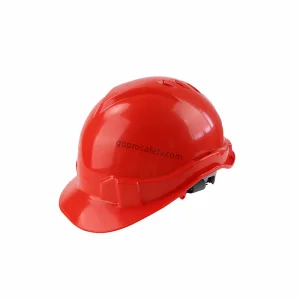
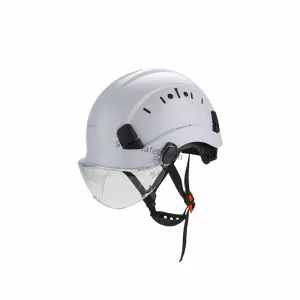
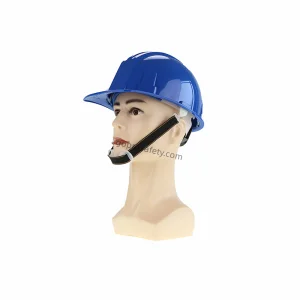
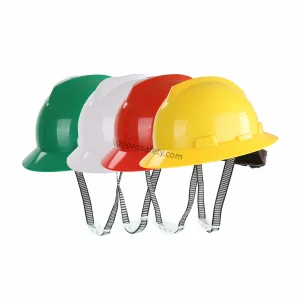
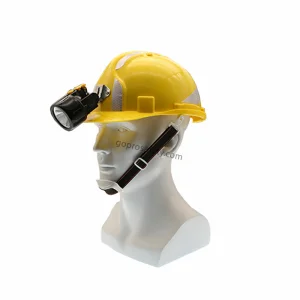
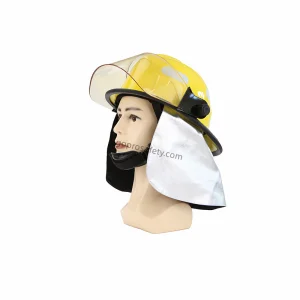
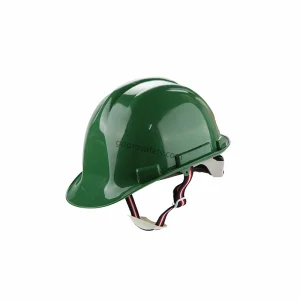
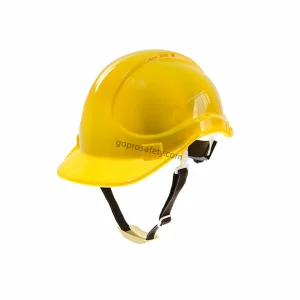
Engineered to withstand harsh ultraviolet radiation, extreme humidity, and high-impact conditions typical of Dili's expanding construction sites and oil projects.
Timor-Leste, currently in a pivotal stage of infrastructure development and strategic industrial modernization, presents high-demand environments for personal protective equipment (PPE). Dynamic economic initiatives such as the expansion of Tibar Bay Port, urban construction programs in Dili, rural electrification networks, and marine oil exploration demand rigorous industrial safety standardizations. In this framework, top-tier head protection is not merely an optional safety measure but a crucial operational foundation required to mitigate risks associated with heavy construction, electrical tasks, and extreme weather.
The tropical maritime climate of Timor-Leste presents specific design requirements for head protection gear. High heat loads, sustained humidity, and high ultraviolet exposure hasten the aging of standard polymeric shells. Inferior helmets degrade quickly under these conditions, leading to brittleness and reduced mechanical impact performance. GoProSafety solves these environmental concerns by formulating shells with premium UV-stabilized High-Density Polyethylene (HDPE) and Acrylonitrile Butadiene Styrene (ABS), which are guaranteed to survive intensive solar exposure while preserving vital energy-absorption properties.
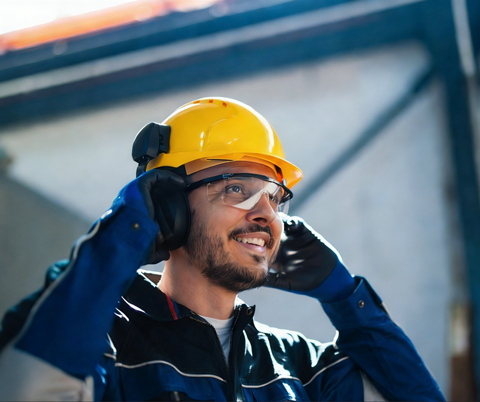
As a leading safety helmet manufacturer, GoProSafety bridges the gap between premium industrial manufacturing standards and competitive global distribution. We operate extensive injection molding lines utilizing precise raw virgin polymers, ensuring consistent wall thicknesses and impact protection across all output batches.
By partnering with established polymer suppliers, we stabilize raw material supply chains to insulate our clients from volatile pricing trends. Every shipment is backed by modern quality assurance labs that execute rigorous vertical impact, penetration resistance, flame-retardant, and electrical insulation tests.
ANSI & CE Certified Products
Monthly Production Volume
Industrial Design Expertise
Rapid Consultation Turnaround
Ensuring compliance with localized safety mandates through OEM custom options, structural enhancements, and tailored import procedures.
UV-stabilized resins specifically formulated to prolong helmet shell lifespan under extreme heat, preventing polymer embrittlement.
6-point fabric suspensions distribute impact energy evenly, providing high comfort and crucial breathability in warm climates.
Direct pad-printing of high-definition corporate logos and customizable shell colors to support site organization and branding.
All shipping containers carry physical test certificates and batch numbers, easing clearance at the Dili port of entry.
Choosing the correct polymer for protective helmet shells is critical to long-term risk mitigation. In regions with persistent heat and high humidity, such as Timor-Leste, the performance curves of polymers diverge significantly.
| Physical Property | Acrylonitrile Butadiene Styrene (ABS) | High-Density Polyethylene (HDPE) | Relevance to Timor-Leste Industrial Operations |
|---|---|---|---|
| Impact Attenuation | High localized energy dissipation; superior resistance to sharp penetration. | Excellent overall elastic recovery; highly effective for generalized impacts. | Critical for heavy civil construction and scaffolding assembly. |
| UV Resistance | Moderate. Requires UV stabilizers for long-term outdoor exposure. | Excellent inherent resistance. Less prone to structural fading. | Protects against long-term sun exposure on coastal roads and port developments. |
| Chemical Resistance | Good against acids, but vulnerable to specific organic solvents. | Exceptional resistance to acids, alkalis, and complex petroleum solvents. | Essential for refineries and chemical storage plants. |
| Heat Deflection Temp | Higher (up to 95°C); keeps its shape under direct heat. | Slightly lower (80°C); highly flexible under load. | High performance inside confined spaces or metal roofs. |
For operations involving high potential drops (such as scaffolding, iron works, and heavy mining), we recommend ABS safety helmets because of their high tensile strength and structural rigidity. For standard civil operations, outdoor infrastructure maintenance, and agricultural processing, HDPE shells offer an ideal balance of durability and cost-effectiveness.
Discover our range of specialized industrial safety helmets, accessories, and protective eyewear designed for high-density applications.
From initial inquiry to Dili port delivery, we implement precise control points to ensure trouble-free customs clearance and standard compliance.
We work with you to define necessary protection standards (such as ANSI Z89.1 or EN 397), color codes, shell venting, and logo designs.
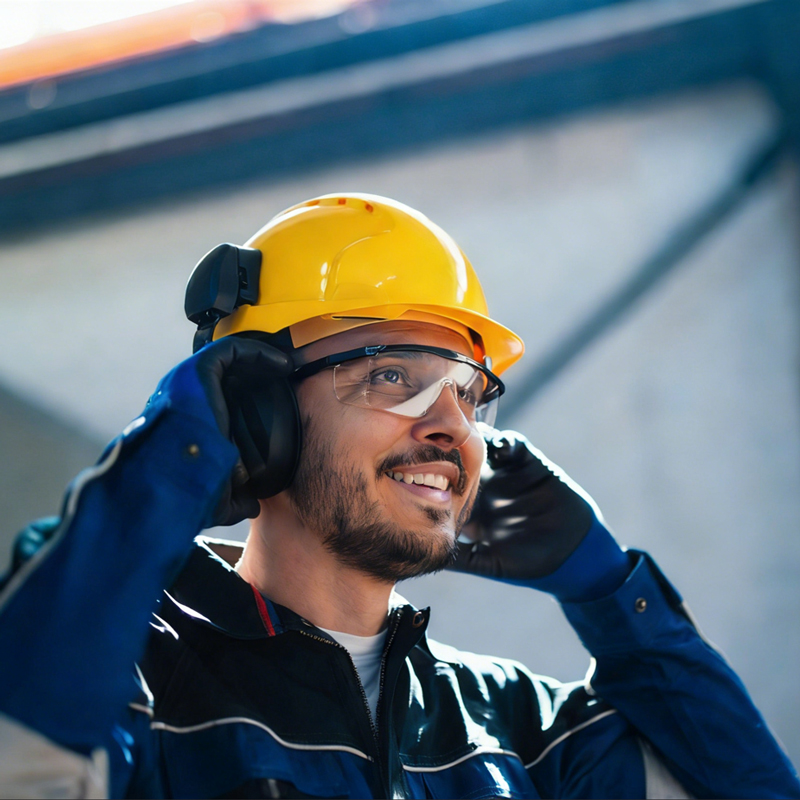
Receive detailed quotes, cost breakdowns, and physical prototype samples to test at your local worksites prior to mass production.

Raw materials undergo testing before structural injection molding, impact testing, and component assembly.
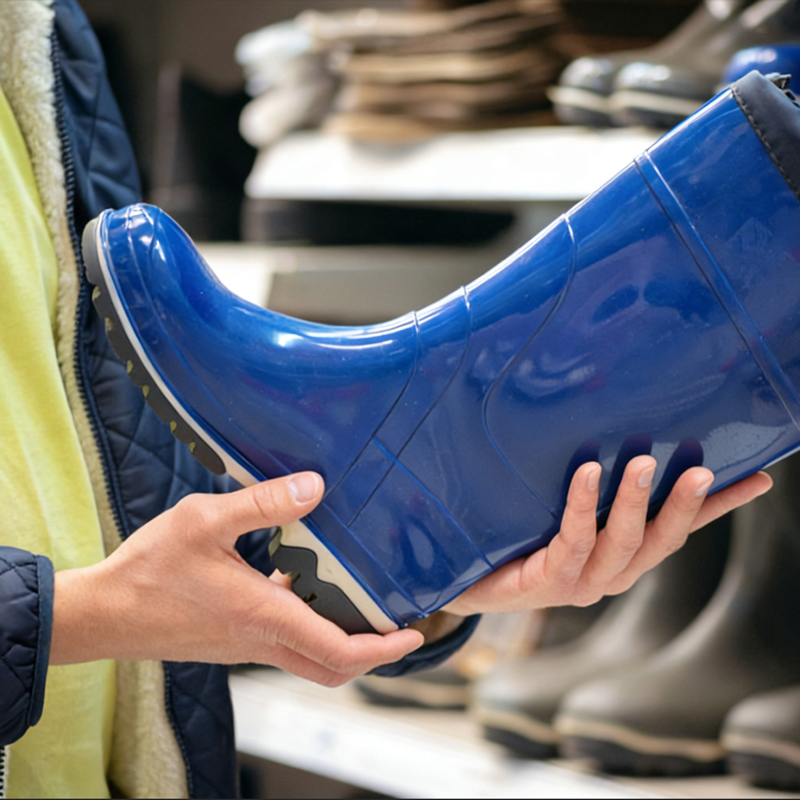
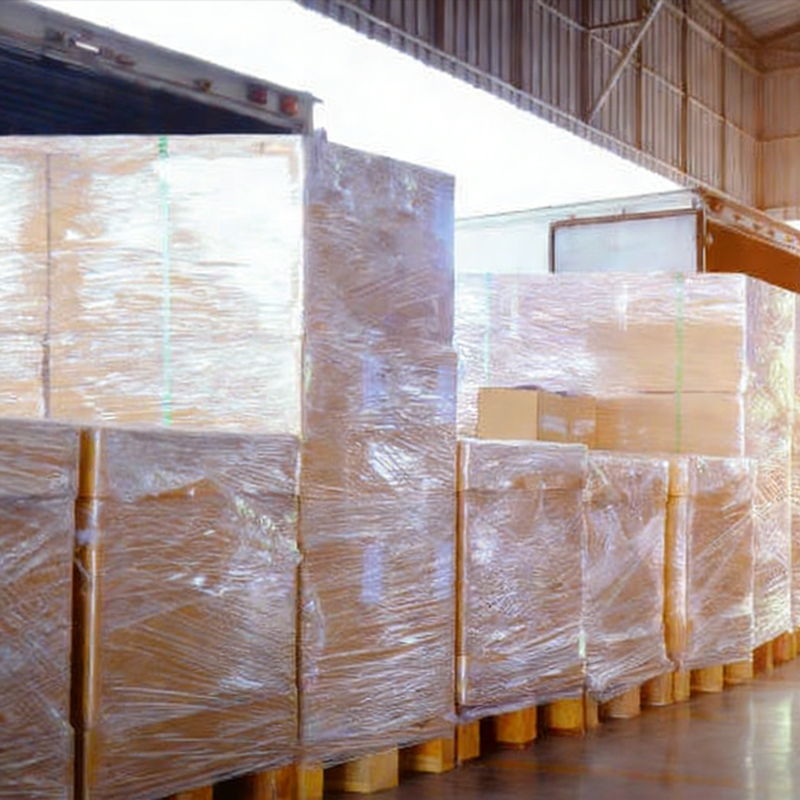
Every shipment batch is packaged in heavy-duty moisture-proof cartons with structural inner linings to prevent damage during sea transport.
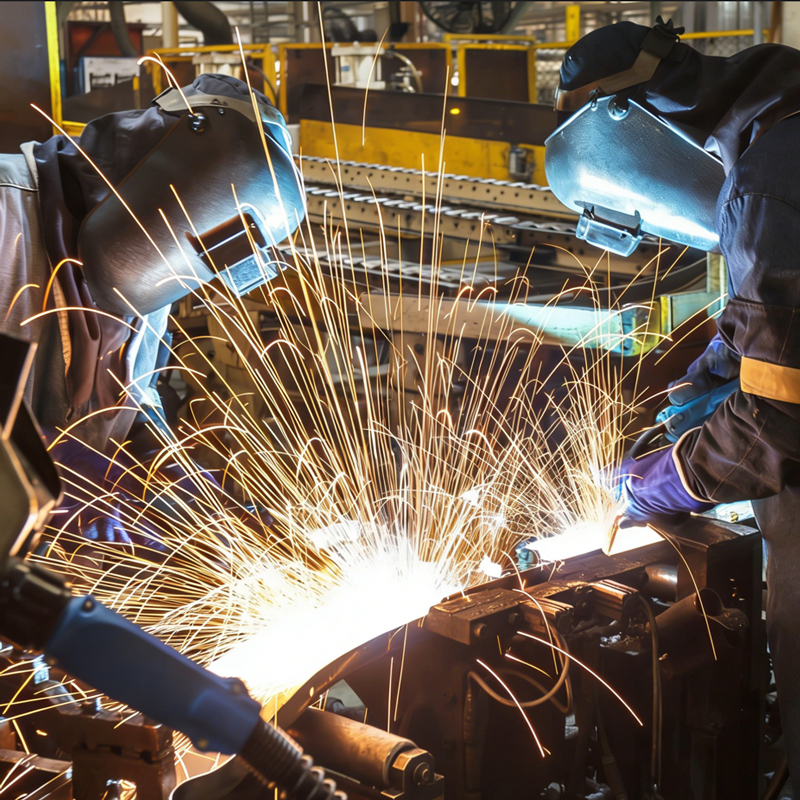
We supply necessary paperwork (including bill of lading, certificate of origin, and custom declarations) for seamless clearance at Tibar Bay.
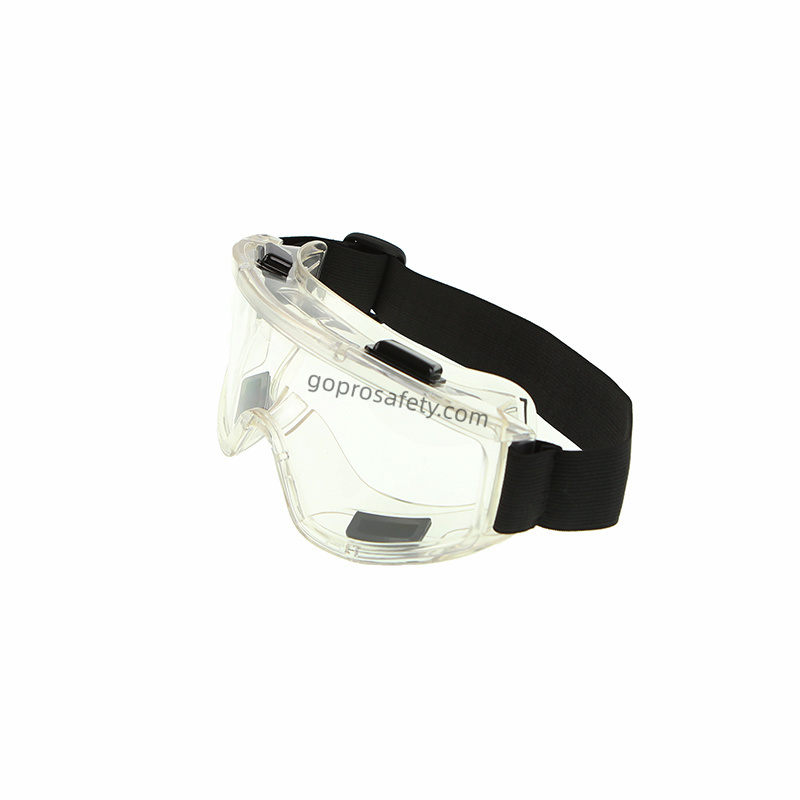
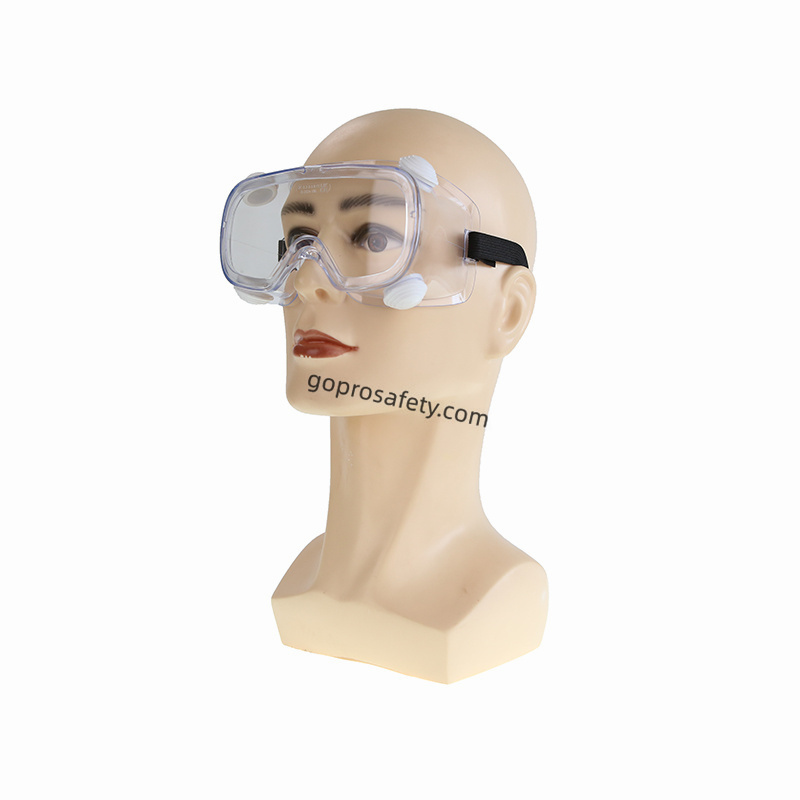
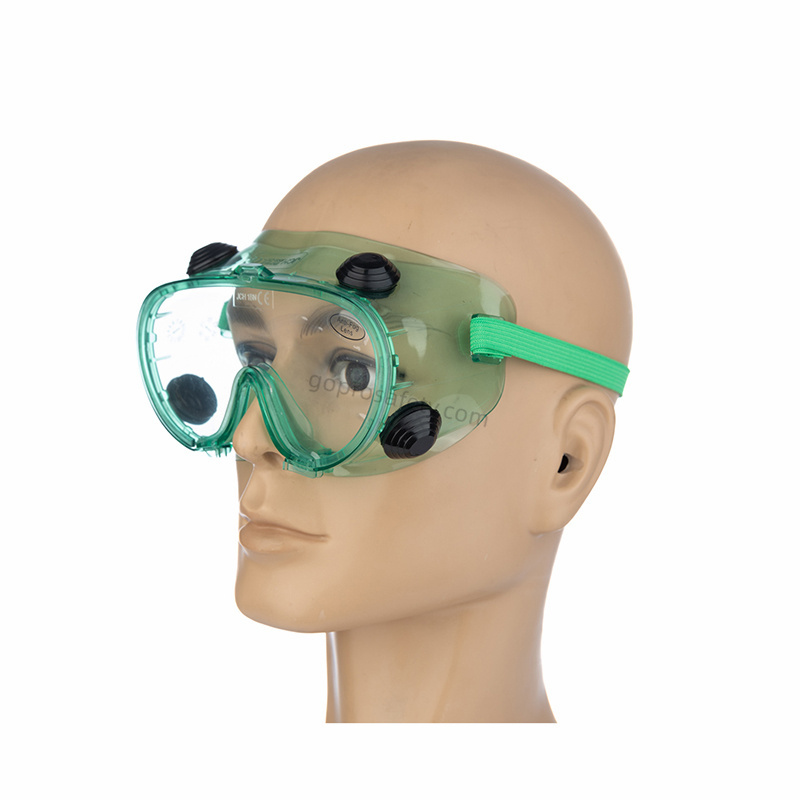
Heavy winds along coastal construction sites in Timor-Leste transport highly abrasive dust and sand particles. Combining head protection with specialized eye protection helps mitigate the risk of corneal lacerations and splash injuries.
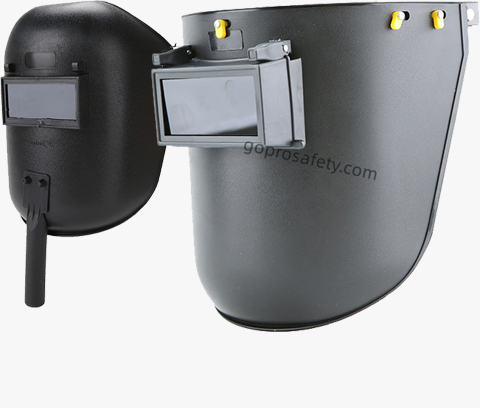
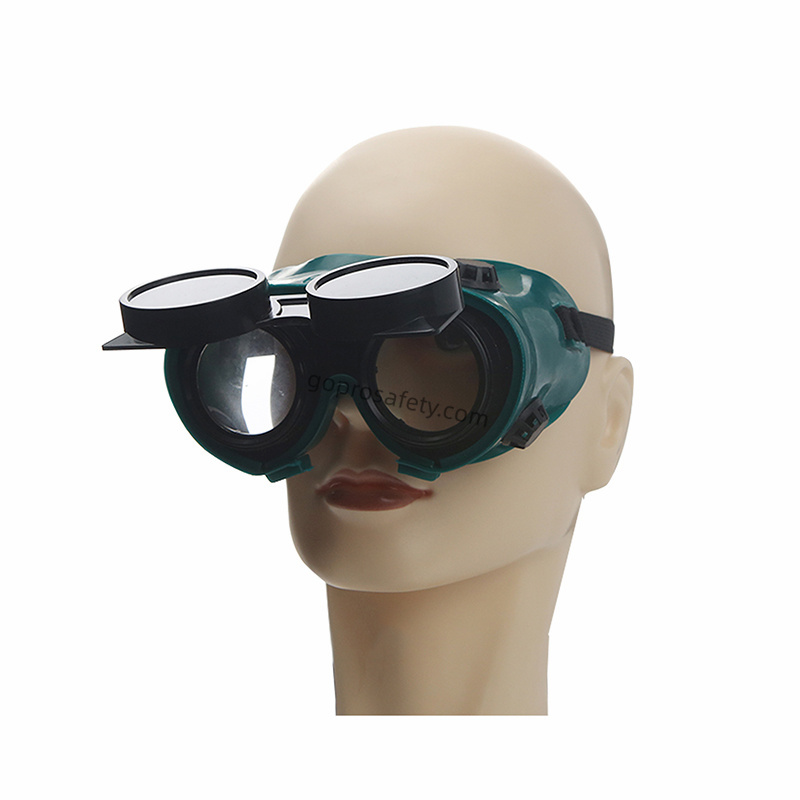
We supply auxiliary PPE items, including flip-up welding shields and anti-scratch safety goggles. These goggles integrate seamlessly with our helmets without compromising shell integrity or facial seal performance.
Expert answers regarding helmet life cycles, logistics requirements, and customs clearance inside Timor-Leste.
Our products conform to major international safety directives. Depending on the product model, we provide standard certifications for European standard EN 397:2012+A1:2012 and North American standard ANSI/ISEA Z89.1-2014. Certification records can be verified in custom filings.
While standard polymers degrade under intense solar exposure, our premium safety helmets are enhanced with chemical UV stabilizers. In typical coastal tropical sites, we recommend replacing shells every 2 to 3 years under heavy outdoor use, or immediately if the helmet sustains a severe impact.
To coordinate efficient setups on our high-volume injection molding machines, custom shell colors and custom corporate logo printing require a starting MOQ of 1,000 units per style. For standard white/yellow stock products, we accommodate smaller initial orders.
We partner with reliable ocean cargo lines operating regular schedules to Timor-Leste. Standard shipments are organized under FOB or CIF conditions, depending on your preferences. We provide complete commercial documentation to support smooth customs entry.


 GoPro Safety